Wounded soldiers, families accuse Army of downplaying war injuries
3 minute readPublished: Wednesday, June 24, 2026 at 12:45 pm
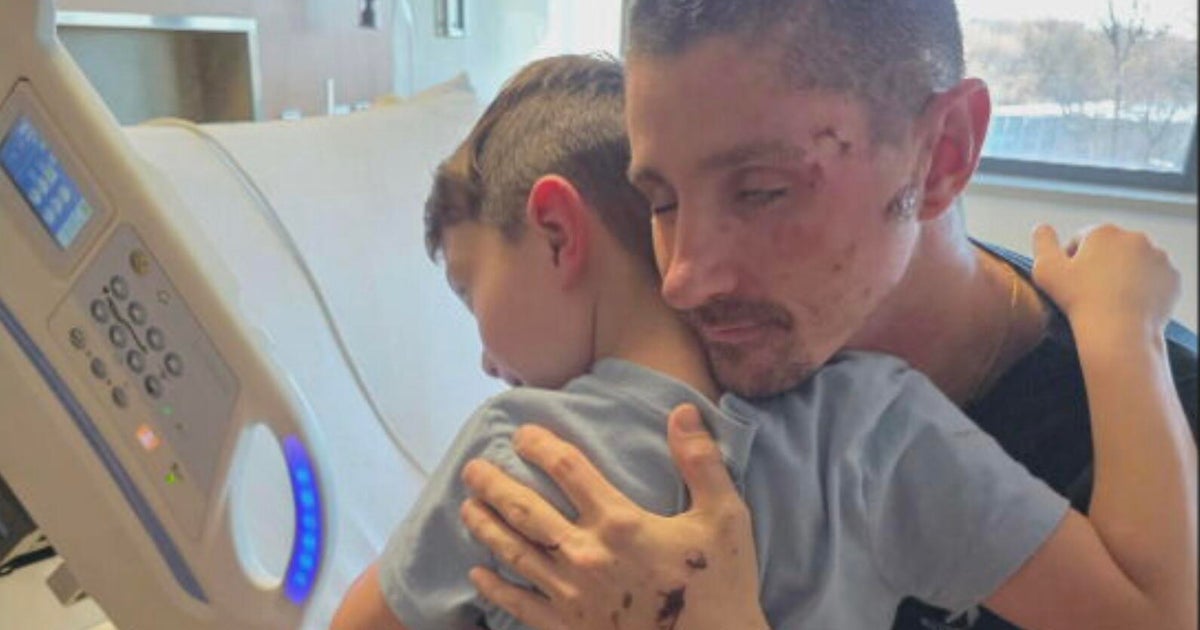
Wounded Soldiers and Families Allege Army Downplayed War Injuries
A growing number of injured American service members and their families are coming forward to accuse the Army of downplaying the severity of their war wounds, contradicting official military assessments and raising concerns about the care and recognition provided to combat casualties.
The controversy surfaced following remarks by Defense Secretary Pete Hegseth in March, who stated that "almost 90%" of approximately 400 American service members injured in the conflict with Iran had sustained only minor injuries and had returned to duty. However, interviews with some of these wounded soldiers reveal a starkly different reality, with injuries far more serious than initially communicated by the military.
Chief Warrant Officer Rodney Bearman, who was severely injured by shrapnel and suffered a concussion, hearing and vision loss, and lung damage during an Iranian drone strike on March 1, has had his condition classified by the Army as "not seriously injured." His wife, Amy Bearman, described this assessment as "unacceptable," noting that her husband was one of more than 20 individuals injured in what was the deadliest strike on American soldiers in the conflict and the worst attack on U.S. troops since 2021. The Bearmans are among several families who claim their loved ones are not being treated as combat casualties for reasons they cannot comprehend, a charge the Army strongly denies.
In several instances, injured service members reported being cleared for duty, only to be assigned to specialized "soldier recovery units" for recuperation. A Pentagon spokesperson clarified that soldiers in these units are not counted as having returned to duty. Sergeant First Class Cory Hicks, 37, who also sustained severe shrapnel wounds and underwent multiple surgeries, stated his wife was initially told his injuries were "minor." Hicks expressed his belief that the Army and Pentagon have attempted to downplay the incident.
An Army spokesperson vehemently pushed back against these allegations, asserting that military designations like "not seriously injured" and "combat casualty" have specific definitions that families may be misinterpreting. The spokesperson emphasized that the care and well-being of soldiers are paramount and that any suggestion of downplaying injuries is untrue. The Army explained its protocol defines "seriously injured" or "very seriously injured" as conditions posing a risk of death within 72 hours.
The incident involving Chief Bearman highlights the distress caused by the perceived discrepancy in injury classification. After receiving an initial report that her husband was "not seriously injured" and had returned to duty, Amy Bearman was later informed by her husband directly that he could not return to duty due to the severity of his condition. The strike on March 1 killed six U.S. soldiers, and a previous investigation revealed intelligence warnings about potential attacks on their position that were reportedly not adequately addressed. Survivors have also detailed requests for increased medical resources that were allegedly not met.
The Army maintains that an investigation into the attack is complete, with findings to be released after next of kin are briefed. The Bearmans hope the investigation will lead to an honest assessment to prevent future tragedies. Sergeant First Class Hicks, after extensive treatment, remains in a soldier recovery unit with a significant traumatic brain injury, anticipating a lengthy recovery.
BNN's Perspective:
The accounts from wounded soldiers and their families raise serious questions about transparency and the accurate classification of combat injuries. While the Army maintains its designations are based on specific protocols, the emotional and physical toll on these service members and their families suggests a need for clearer communication and potentially a review of how injury severity is assessed and conveyed. Ensuring that those who have sacrificed for their country receive appropriate recognition and care, regardless of official designations, should be a paramount concern.
Tags: wounded soldiers, war injuries, Army, downplaying injuries, combat casualties, drone strike, Iran conflict, Defense Secretary Pete Hegseth, Chief Warrant Officer Rodney Bearman, Sergeant First Class Cory Hicks, soldier recovery units, not seriously injured, traumatic brain injury