Why Hugging Your Dog May Be Doing More Harm Than Good, Expert Explains
3 minute readPublished: Thursday, June 25, 2026 at 5:54 pm
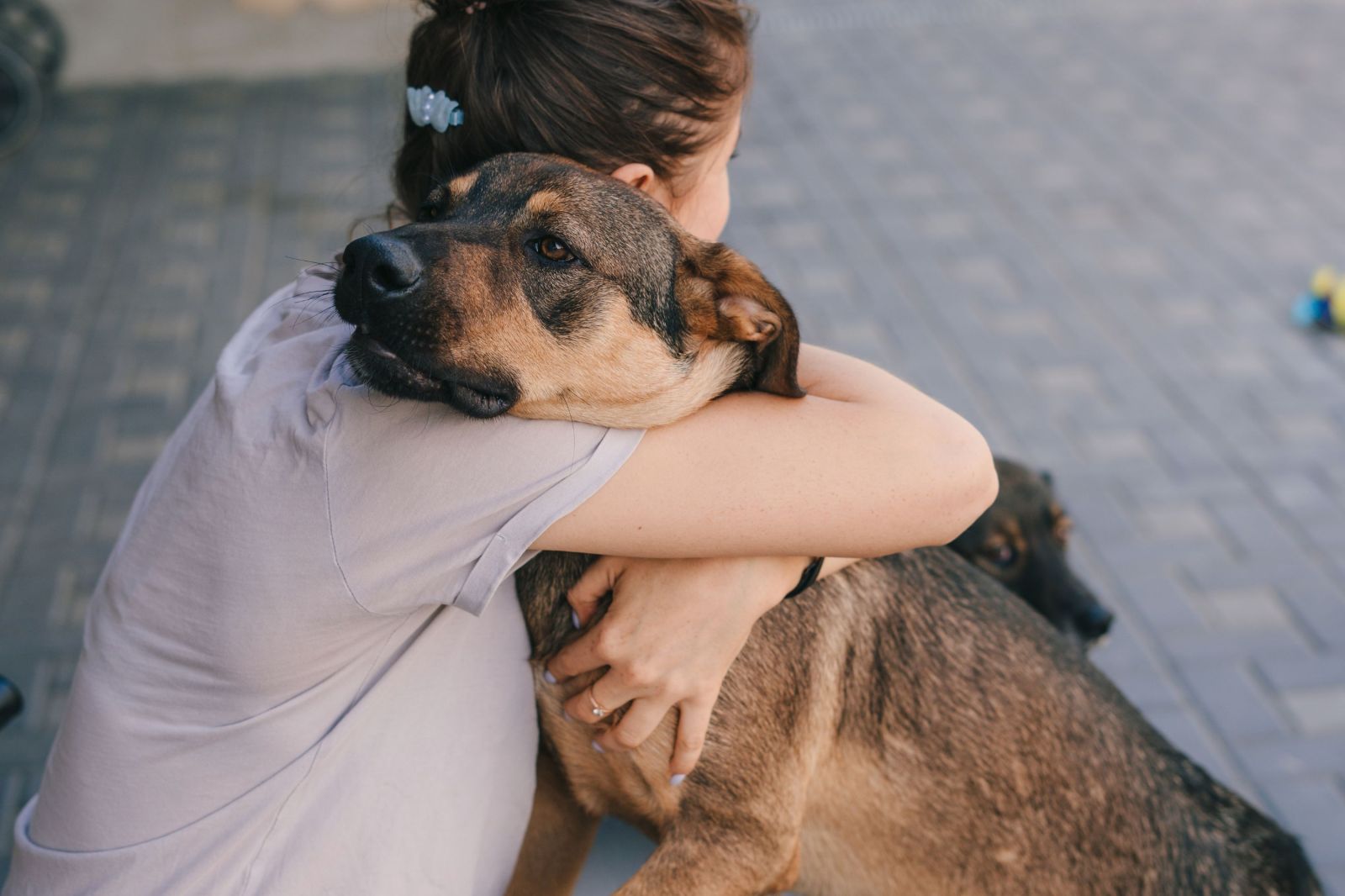
Hugging, a common human expression of affection, may not be perceived as loving by dogs, according to animal behaviorist Joanne Hinds. Hinds explains that while humans often interpret hugs as comfort, dogs may experience them as pressure or restraint, particularly if they cannot easily disengage. This can lead to dogs tolerating hugs out of trust rather than enjoyment.
The core of the issue lies in the restriction of a dog's autonomy. Hugging limits their ability to move away, which is crucial for them to signal discomfort or disinterest. Factors such as a dog's temperament, age, health, and past experiences can influence their reaction. Rescue dogs or those with limited early socialization may be more sensitive to close physical contact. Similarly, older dogs or those with health conditions might find the pressure and restraint uncomfortable due to pain or stiffness.
Owners are advised to look for subtle signs of discomfort, which go beyond mere stillness. While a dog remaining still might seem calm, it could be a sign of tolerance rather than enjoyment. Other indicators include turning the head away, lip licking, yawning, showing the whites of their eyes, pinned ears, a tucked tail, attempts to move away, avoiding eye contact, or panting when not hot. Many dogs prefer affection that allows them to make choices, such as sitting nearby, leaning in, or being gently petted.
Children, often expressing affection in ways they would with humans, are particularly prone to hugging dogs tightly. This can make dogs feel trapped. Hinds suggests alternative ways for children to bond with dogs, such as reading to them, engaging in supervised play, or playing games like hide-and-seek. Parents should educate children on respecting a dog's space, especially when they are sleeping, resting, or eating, and encourage gentle petting on the shoulder or chest.
Crucially, Hinds emphasizes that growling should never be punished. A growl is a dog's way of communicating discomfort and a need for the situation to change. Punishing this warning signal can lead dogs to suppress it in the future, making interactions potentially more dangerous.
Better ways to show affection include allowing dogs to initiate contact, gentle stroking on preferred areas like the chest or shoulders, sitting near them without holding, playing games, and offering calm praise. A "three-second rule" is recommended: gently pet for three seconds and observe the dog's reaction. If they lean in or remain relaxed, they may welcome more interaction. If they move away or disengage, they likely prefer space. Hinds likens affection to a conversation, not an imposition.
Ultimately, respecting a dog's boundaries and allowing them choice in interactions strengthens the bond and builds trust. Misconceptions about dogs enjoying hugs are often perpetuated by media, which may not capture subtle canine body language.
BNN's Perspective:
This expert advice offers a valuable perspective on canine communication and affection. It encourages a more nuanced understanding of our pets' needs, moving beyond anthropomorphic interpretations of their behavior. By prioritizing a dog's comfort and autonomy, owners can foster deeper trust and more positive relationships.
Tags: dog hugging, dog behavior, canine communication, animal behaviorist, dog affection, dog body language, dog training, pet owner, dog comfort, dog discomfort, dog warning signs, dog interaction, dog choice, dog boundaries, dog trust