US Travel Warning Issued Amid Deadly Ebola Outbreak
3 minute readPublished: Saturday, May 16, 2026 at 4:05 pm
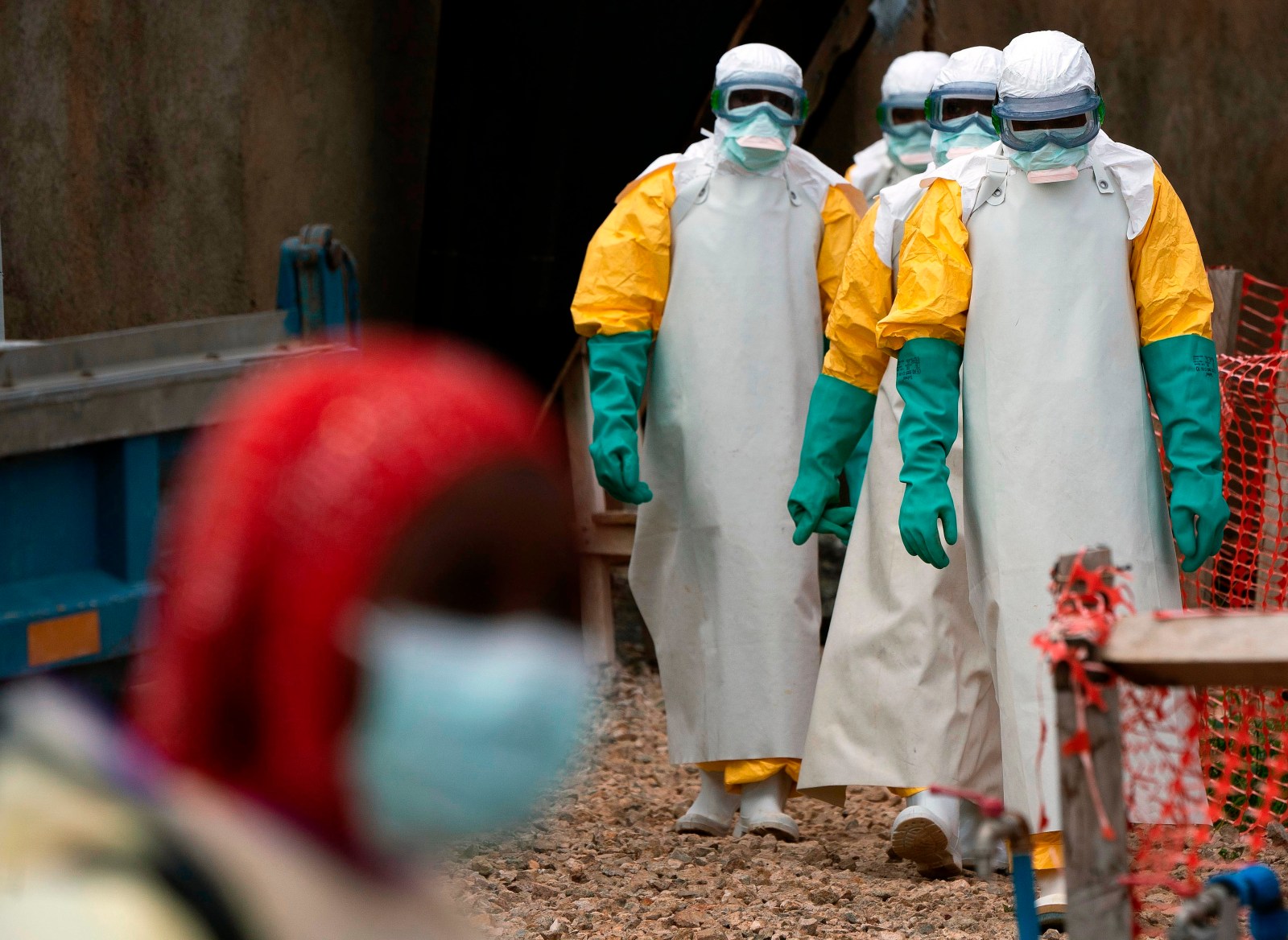
Ebola Outbreak in DRC Prompts U.S. Travel Warning
A new Ebola outbreak in the eastern Democratic Republic of the Congo (DRC) has prompted a U.S. travel advisory, as health officials grapple with the spread of the virus. The outbreak, centered in Ituri province, has already claimed at least 80 lives, according to health authorities. The U.S. State Department has issued a Level 4: Do Not Travel advisory for the affected region, citing Ebola activity, insecurity, and limited access to emergency services.
The current outbreak is caused by the Bundibugyo strain of Ebola, a less common variant for which existing vaccines and treatments may be less effective. The Africa CDC, the World Health Organization (WHO), and the U.S. Embassy have all warned of a heightened risk of cross-border transmission. This threat has already materialized, with a confirmed case in Uganda, marking the country's first confirmed case of the outbreak.
The WHO has deployed experts to Ituri province and is providing support for case finding, contact tracing, and safe burials. The agency has also airlifted supplies, including personal protective equipment and medical materials, to the region. The outbreak is occurring in an area with significant operational challenges, including intense population movements, insecurity, and frequent cross-border movement, all of which increase the risk of further transmission.
The U.S. Embassy in Uganda has issued an alert to Americans, urging them not to travel to Ituri province and to avoid nonessential movement near the Congo-Uganda border. Travelers returning from outbreak areas are advised to monitor their health for 21 days and alert a healthcare provider if symptoms appear.
Ebola is a severe viral hemorrhagic fever that spreads through direct contact with infected bodily fluids or contaminated objects. Symptoms typically begin with fever, weakness, muscle pain, and headache, and can progress to more severe complications. While there is no cure, early supportive care can significantly improve survival rates. Health officials emphasize the importance of rapid identification, isolation, contact tracing, and safe burials to stop the spread of the virus. The next 12 weeks will be critical in determining the outbreak's trajectory.
BNN's Perspective:
The situation in the DRC is concerning, and the U.S. travel advisory is a prudent measure. While the Bundibugyo strain presents challenges, the international response, including the WHO's efforts, is crucial. It's essential to support these efforts and provide resources to contain the outbreak and prevent further spread.
Tags: Ebola, DRC, outbreak, Bundibugyo, Uganda, travel advisory, WHO, Africa CDC, Ituri, health, virus, symptoms, transmission, containment, travel warning, U.S. Embassy, health officials