UAE and Kuwait start oil output cuts after Hormuz blockage
3 minute readPublished: Sunday, March 8, 2026 at 12:00 am
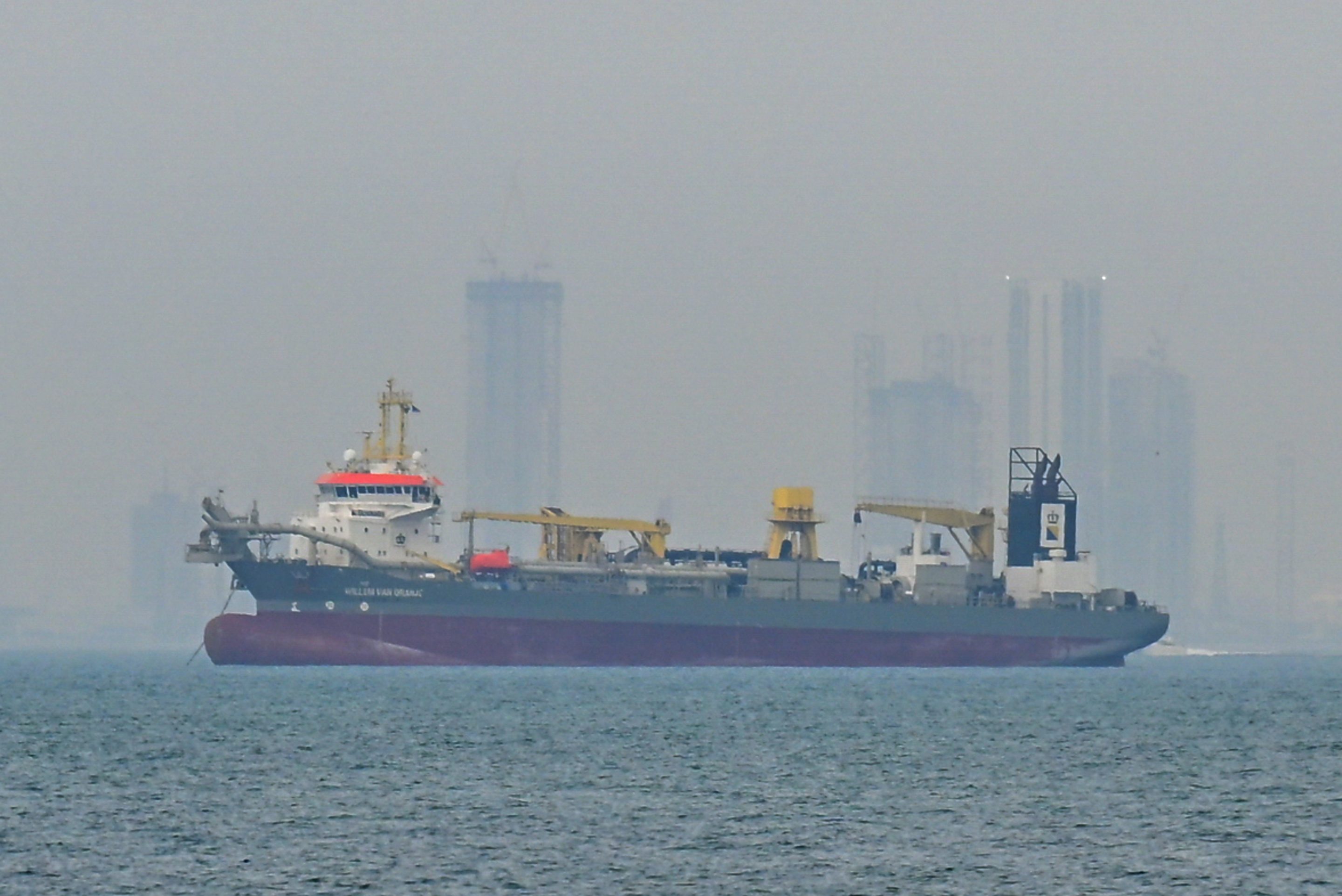
UAE and Kuwait Initiate Oil Output Cuts Amidst Hormuz Strait Crisis
The United Arab Emirates (UAE) and Kuwait have begun reducing oil production in response to the ongoing conflict in the Middle East and the effective closure of the Strait of Hormuz. This critical waterway, which links the Persian Gulf to the open seas, has been rendered largely impassable due to Iranian threats, severely impacting maritime traffic and global oil exports.
Abu Dhabi National Oil Co. (ADNOC) is managing offshore production levels to address storage requirements, while Kuwait Petroleum Corp. (KPC) is lowering production at its oil fields and refineries. Kuwait's initial cutback began with approximately 100,000 barrels per day, with plans to almost triple that amount. Further reductions are anticipated depending on storage levels and the evolving situation in the Strait of Hormuz.
The UAE, a major OPEC producer, is utilizing alternative export routes and international storage facilities to maintain supply to global markets. ADNOC operates a pipeline to Fujairah, bypassing the Strait. Onshore operations are continuing normally.
These cutbacks follow similar actions by other regional producers. Iraq has already reduced production due to full storage tanks, while Saudi Arabia has shut down its largest refinery and Qatar has closed its largest liquefied natural gas export plant following drone attacks.
Kuwait Petroleum has declared force majeure on sales of oil and refinery products, a legal measure invoked due to circumstances beyond its control. The country's primary export route is through the Strait of Hormuz. Saudi Arabia has diverted some crude away from this route. Kuwait has also reduced processing rates at its refineries due to fuller tanks.
The situation has already driven oil prices higher, with London prices reaching their highest close in over two years, nearing $93 a barrel. This surge is prompting consumers to seek alternative energy sources and raising concerns about global inflation.
BNN's Perspective: The current situation highlights the fragility of global energy markets and the significant impact geopolitical instability can have on prices. While the UAE and Kuwait are taking steps to mitigate the effects, the long-term implications of the conflict on oil supply and the global economy remain uncertain. The reliance on a single, vulnerable waterway underscores the need for diversified energy infrastructure and strategic reserves.
Keywords: Oil production cuts, UAE, Kuwait, Strait of Hormuz, Oil prices, OPEC, Iran, Middle East conflict, ADNOC, Kuwait Petroleum Corp, Force majeure, Global energy markets, Oil exports, Inflation, Energy security.