Trumps Strike on Iran
3 minute readPublished: Friday, March 6, 2026 at 2:00 pm
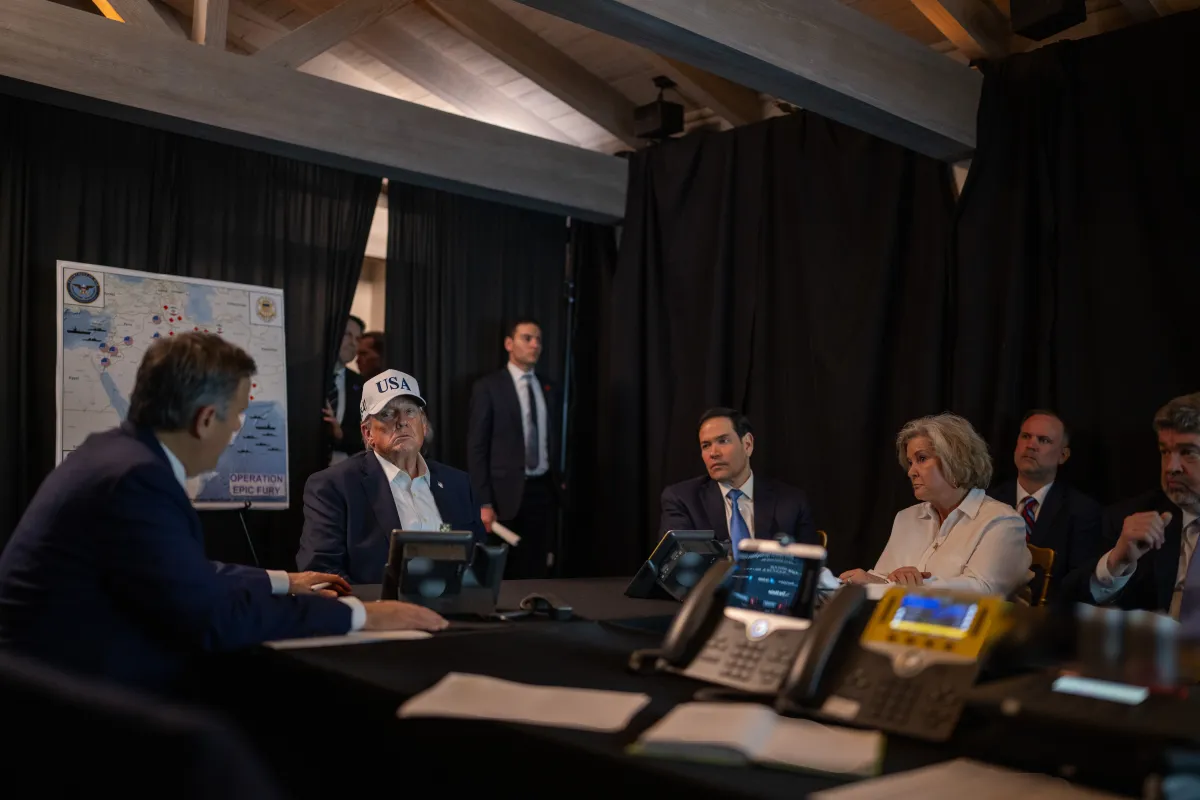
Trump's Strike on Iran: A Complex Calculation
The recent U.S. military action against Iran, initiated by President Donald Trump, was a carefully planned operation that achieved tactical success in its initial phase. The strike, characterized by precise intelligence coordination and military deployment, resulted in a significant blow to Iran's leadership. However, the operation's long-term implications are far from certain.
The military action has raised significant legal and strategic concerns. It violates international law, as it was conducted without authorization from the United Nations. Furthermore, the action may not align with U.S. domestic law, as it may not have received congressional approval.
The strategic objectives of the strike remain unclear. Conflicting statements from the administration suggest a lack of consensus on whether the goal is to dismantle Iran's military capabilities or to instigate regime change. This ambiguity could significantly impact the feasibility and cost of future actions.
The operation carries considerable risks. A decapitation strike does not guarantee regime collapse, and Iran's regime possesses resilience and the ability to rally support. Retaliation from Iran is a distinct possibility, and the U.S. could face a prolonged conflict.
Domestically, the action has sparked controversy. It contradicts Trump's "America First" platform and has drawn criticism from both Democrats and Republicans. Public opinion is divided, and the potential for rising casualties and economic instability could further erode support.
The economic consequences are also a concern. The strike has already caused market fluctuations and increased oil prices. Prolonged conflict could exacerbate inflation and negatively impact the U.S. economy, potentially affecting the upcoming election cycle.
The impact on China is complex. While the action may create energy-related pressures for China, these challenges are manageable. China is likely to adopt a cautious approach, balancing its energy needs with regional stability.
Ultimately, the success of the U.S. strike on Iran will depend on factors beyond military execution. Legal legitimacy, clear strategic objectives, domestic political support, economic resilience, and international reactions will determine its trajectory.
BNN's Perspective:
While the initial military action may have achieved its tactical goals, the long-term consequences of this operation are deeply concerning. The lack of clear objectives, the potential for escalation, and the violation of international norms raise serious questions about the wisdom and legality of this action. A measured and cautious approach, prioritizing diplomacy and international cooperation, would have been a more prudent course of action.
Keywords: Trump, Iran, military action, strike, international law, regime change, strategic objectives, domestic politics, economic consequences, China, retaliation, U.S.