Trump raises global tariff to 15%
3 minute readPublished: Saturday, February 21, 2026 at 5:10 pm
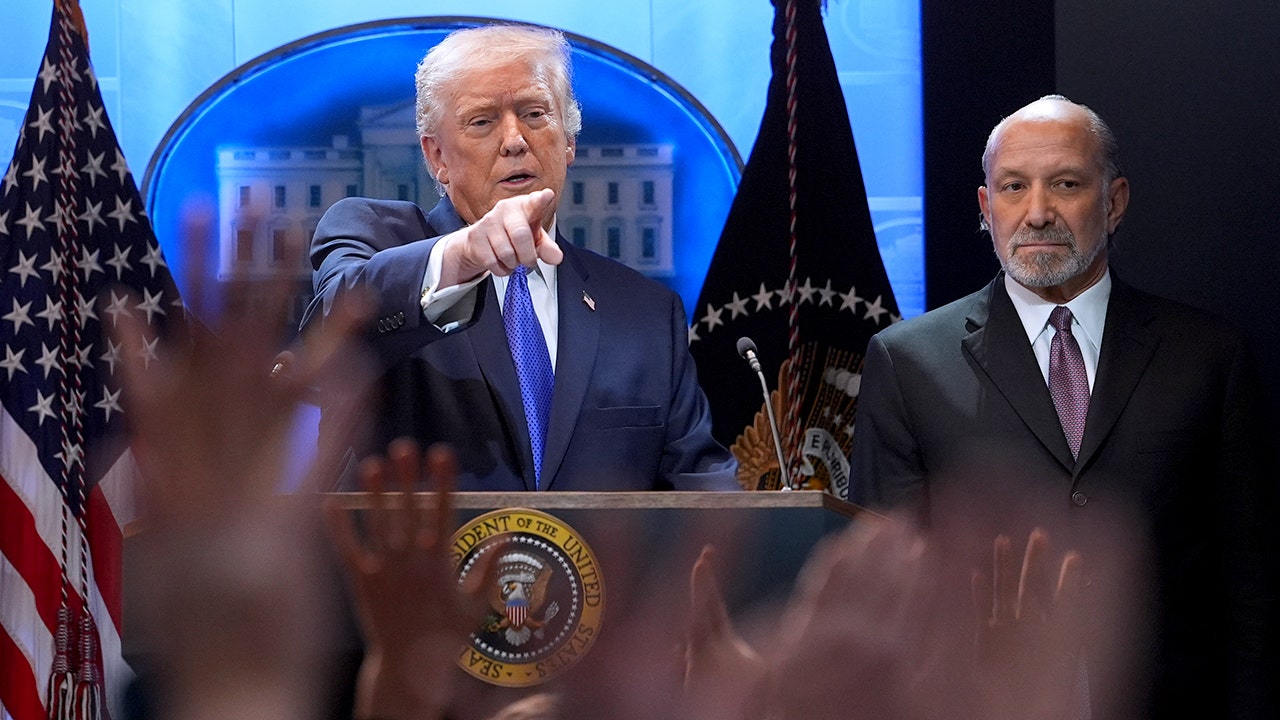
Trump Announces Global Tariff Increase Following Supreme Court Ruling
President Donald Trump has announced an immediate increase in global tariffs to 15%, following a Supreme Court decision that limited his authority on trade matters. The announcement, made on Truth Social, comes in response to a ruling that rejected his ability to issue sweeping tariffs under the International Emergency Economic Powers Act.
The Supreme Court, in a 6-3 decision, blocked Trump's use of the act, a move that has been described as a significant test of executive branch powers. In response to the ruling, Trump initially imposed a 10% global tariff, citing Section 122 of the Trade Act of 1974. This new tariff was to be applied in addition to existing tariffs.
Trump expressed his disappointment with the court's decision, calling it "deeply disappointing" and stating he was "ashamed" of certain justices. He also indicated that his administration would explore "alternatives" to tariffs under emergency law. The President has long advocated for tariffs as a tool to protect American economic interests and address what he views as unfair trade practices by other nations.
The Supreme Court's decision and Trump's subsequent actions have reignited the debate over the balance of power between the executive and judicial branches, as well as the role of tariffs in international trade. The impact of these increased tariffs on global markets and trade relations remains to be seen.
BNN's Perspective:
While the Supreme Court's decision underscores the importance of checks and balances, the President's response highlights the complexities of trade policy. Tariffs can be a legitimate tool to protect domestic industries and address trade imbalances, but they also carry the risk of escalating trade wars and harming consumers. A balanced approach that considers both economic and geopolitical implications is crucial.
Keywords: Trump, tariffs, Supreme Court, trade, global, economy, executive branch, International Emergency Economic Powers Act, Trade Act of 1974, trade policy, duties, administration, decision, ruling, America, markets, relations