The Story of America's Declaration of Cultural Independence
3 minute readPublished: Tuesday, July 8, 2025 at 7:12 pm
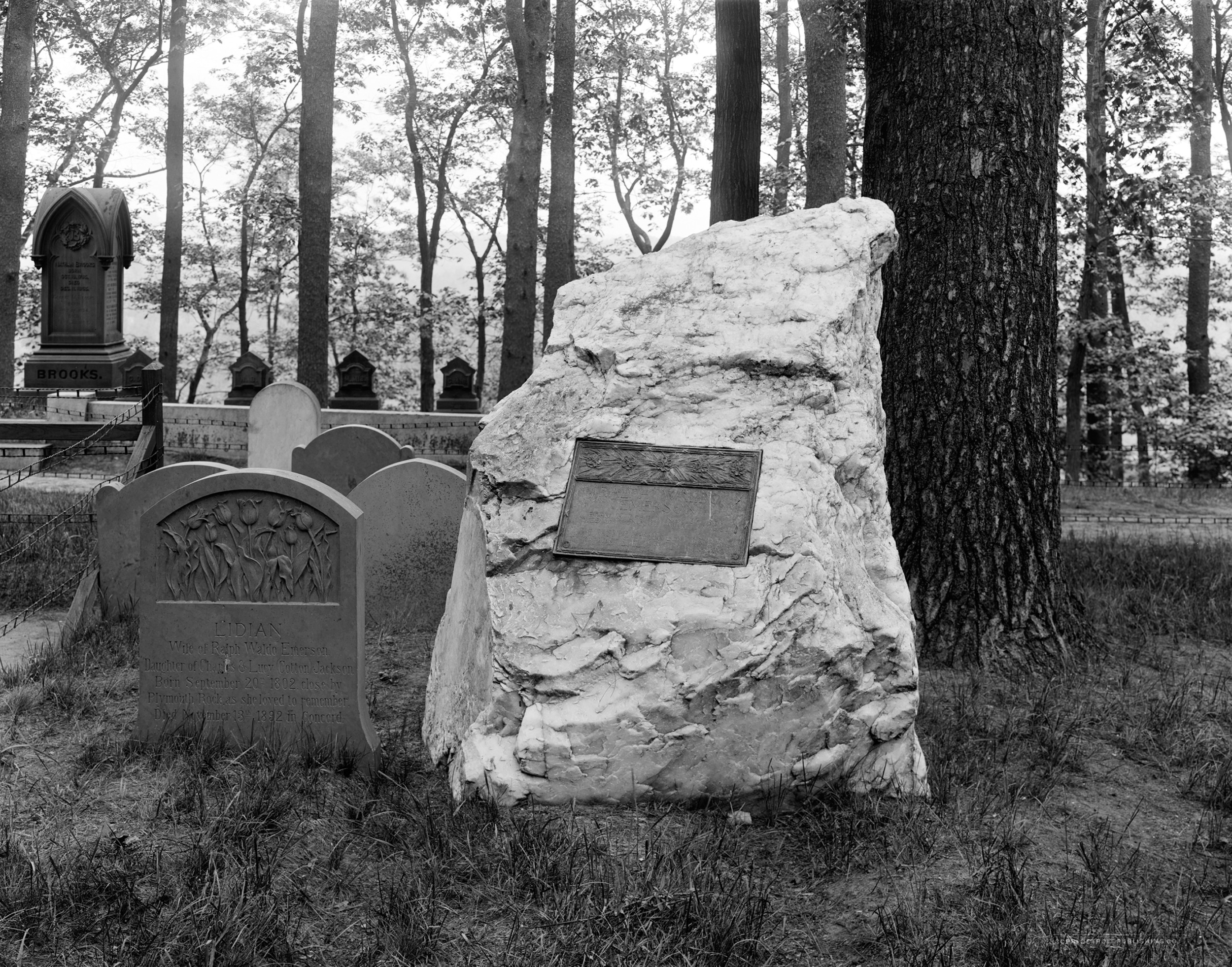
Emerson's Call for Cultural Independence: A Turning Point in American Identity
In 1837, amidst the burgeoning political landscape of a young America, Ralph Waldo Emerson delivered a pivotal speech at Harvard College. This address, a call for cultural independence, challenged the nation to forge its own artistic and intellectual identity, separate from European influence. Emerson questioned whether America could cultivate a culture that reflected its democratic ideals, a culture as significant as the political institutions taking shape.
Emerson's speech was a response to the prevailing sentiment among European cultural elites, who doubted America's capacity to produce significant art or literature. He urged American creatives to break free from European models and embrace their own voices. This call resonated deeply, sparking a cultural revolution that would reshape the nation's identity.
The town of Concord, Massachusetts, emerged as a focal point of this revolution. It became a hub for transcendentalism, a spiritual movement that emphasized the importance of nature and the individual. This movement fostered a new wave of American writers and artists, including Emerson himself, Henry David Thoreau, and Nathaniel Hawthorne. Their work reflected the nation's values and virtues, created by the people and for the people.
This cultural shift led to the emergence of distinctively American voices in literature, music, film, and sports. From the poetry of Walt Whitman to the music of George Gershwin, from the films of immigrant directors to the rise of baseball and American football, a unique American culture began to flourish. This culture was shaped by the nation's diverse population and its democratic ideals.
BNN's Perspective: Emerson's call for cultural independence remains relevant today. While the dominance of New York and Los Angeles in content creation is undeniable, the spirit of Emerson's challenge encourages a broader representation of American voices and experiences. Embracing diverse perspectives and fostering creativity across the nation is essential for a vibrant and authentic American culture.
Keywords: Ralph Waldo Emerson, cultural independence, American culture, transcendentalism, Concord, American literature, American music, American film, American sports, Walt Whitman, democratic ideals.