The Old Masters are seeing a renaissance
3 minute readPublished: Monday, July 13, 2026 at 8:40 am
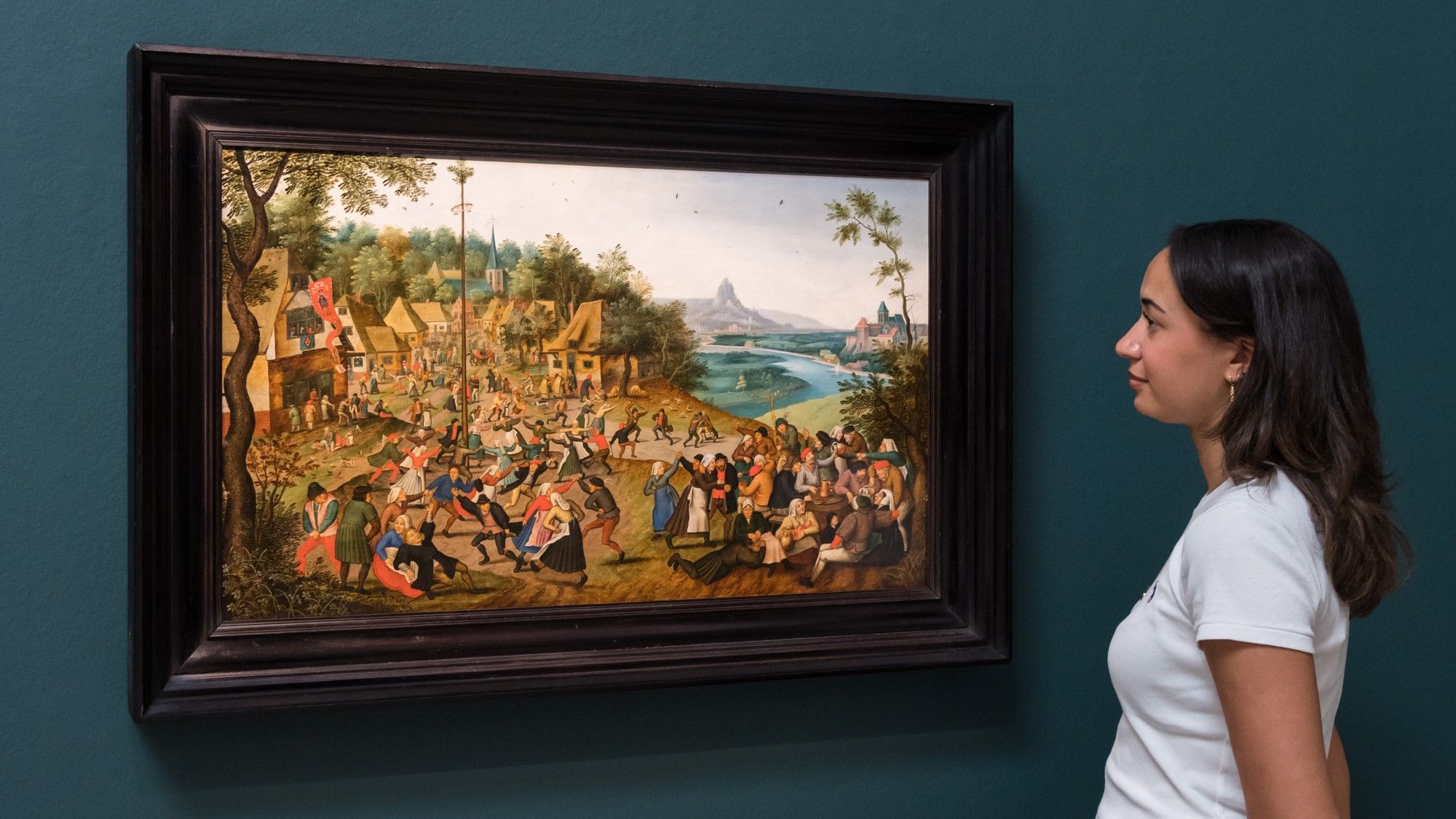
Old Masters paintings, once relegated to the sidelines of the art market, are experiencing a significant resurgence, captivating both seasoned collectors and a new generation of buyers. This revival marks a notable shift from the decades following the 1980s, when interest in art completed before 1850 waned in favor of more contemporary and Impressionist works.
Experts are now reporting unexpected increases in sales, with global figures reaching $1.2 billion in 2025, a substantial 30% jump from the previous year. This renewed enthusiasm is particularly evident among younger demographics. At a major auction house, the proportion of bidders under 40 in Old Masters sales has nearly tripled in five years, now accounting for approximately 16%.
Several factors are contributing to this renaissance. The volatility of the contemporary art market has prompted collectors to seek the stability and relative affordability of Old Masters. Additionally, an increasing number of these historical works are entering museum collections, creating a sense of scarcity that enhances their appeal.
The rise of "Instagrammable" art also plays a role, with portraits and figurative pieces gaining traction. These works often depict scenes that resonate with a perceived simpler past, and viewers, accustomed to online imagery, find themselves drawn to painted representations of people.
The influx of new wealth into the Old Masters market is also noteworthy. While some believed that emerging millionaires would be drawn primarily to digital art forms like NFTs, the subsequent market correction has not deterred this demographic from investing in traditional art. Auctions during a recent art week demonstrated this, with significant sales and a modest increase in revenue compared to the prior year. Buyers are increasingly open to collecting across different categories, seeking works that possess a contemporary feel regardless of their age. In an era of rapid technological change and uncertainty, the contemplation of creation and mortality, themes often explored in Old Masters art, appears particularly relevant.
Beyond established names like Canaletto and Rembrandt, lesser-known artists are also seeing a surge in value. A new wave of collectors, unburdened by traditional art historical hierarchies, are prioritizing works that are accessible and relatable, particularly portraits that can be appreciated for their humanistic qualities without extensive contextual knowledge. This trend is bringing previously overlooked pieces back into the market.
Furthermore, emerging artists are embracing Old Masters techniques, not as mere imitation, but as a means to explore fundamental concepts of meaning and originality amidst technological anxieties, including the rise of AI. The resurgence of oil painting and other traditional methods by young artists suggests a desire to demonstrate skill and connect with audiences on a deeper, more fundamental level, potentially moving beyond mere nostalgia.
BNN's Perspective:
The resurgence of Old Masters art reflects a complex interplay of economic stability, evolving aesthetic preferences, and a desire for tangible connection in an increasingly digital and uncertain world. It suggests that while innovation is crucial, there remains a profound appreciation for enduring artistic skill and universally relatable themes. This trend offers a balanced perspective on the art market, demonstrating that value and relevance can be found across historical periods.
Tags: Old Masters, art market, art sales, collectors, young buyers, auction houses, contemporary art, modern art, Impressionist art, figurative art, portraits, NFTs, Renaissance art, emerging artists, oil paint, technological unease, AI, art historical, museum collections, scarcity, stability, affordability, cross-category collecting, visualising creation, mortality, Canaletto, Michelangelo, Rembrandt, J. Cabelle Ahn, Margaret Carrigan, Emma Crichton-Miller, Chloe Stead, The Economist, Artnet, Financial Times, BNN.org