The numbers are in: Unions need a new playbook
3 minute readPublished: Saturday, April 4, 2026 at 10:00 am
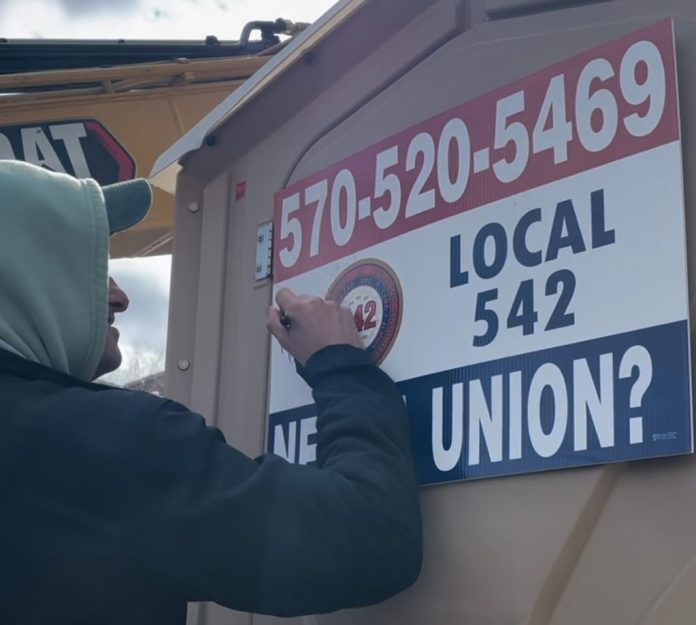
Unions Face Challenges in a Changing Economic Landscape
Recent data suggests that traditional union models are struggling to adapt to the evolving demands of the modern workforce. While unions historically secured higher wages, the wage gap between union and non-union jobs has narrowed. Furthermore, there is no consistent correlation between unionization rates and wage growth across various industries.
The text highlights the importance of individual worker rights. States with right-to-work laws, which allow employees to choose whether to join and financially support a union, have experienced significantly stronger job growth compared to states with mandatory union dues. This difference translates to millions more jobs created in right-to-work states, where wage growth has also been slightly higher.
The article points to the potential negative consequences of union strategies that prioritize above-market wage increases. Recent examples, such as contracts with major automakers and dockworkers, have been followed by job losses in those sectors. When employers are forced to pay wages beyond their financial capacity, they often resort to job cuts or automation.
The text also examines the impact of workplace dynamics on job satisfaction. Surveys indicate that positive relationships with coworkers and managers are crucial. The article suggests that adversarial tactics employed by some unions may contribute to a hostile work environment, which can undermine job satisfaction.
The author argues that unions need to rethink their approach to remain relevant. The current one-size-fits-all model, with rigid contracts and seniority-based pay, is increasingly out of step with a workforce that values performance-based compensation, opportunities for advancement, and flexible work arrangements. The article suggests that unions should consider a more voluntary and agile approach, allowing for multiple perspectives and contracts within a single workplace. This would empower workers to choose how they participate in labor organizations.
The author notes that some unions are moving in the opposite direction, imposing a singular voice on all local unions and taking political positions unrelated to the workplace. The article suggests that a more promising path forward involves voluntary participation and innovation. This could include offering pooled benefits, training programs, and targeted advocacy on workplace issues.
BNN's Perspective: The data presented suggests a need for unions to evolve to remain relevant in the modern economy. While the desire for worker representation remains, the traditional model appears to be losing ground. A shift towards voluntary participation, flexibility, and a focus on providing tangible value to members could be a more sustainable path forward. This would allow unions to better serve the diverse needs of today's workforce.
Keywords: Unions, wages, job growth, right-to-work, employment, contracts, workforce, labor, collective bargaining, voluntary participation, job satisfaction, automation, compensation, flexibility, worker rights.