The cost of petrol vs. electric cars as fuel prices soar
3 minute readPublished: Thursday, June 11, 2026 at 9:05 am
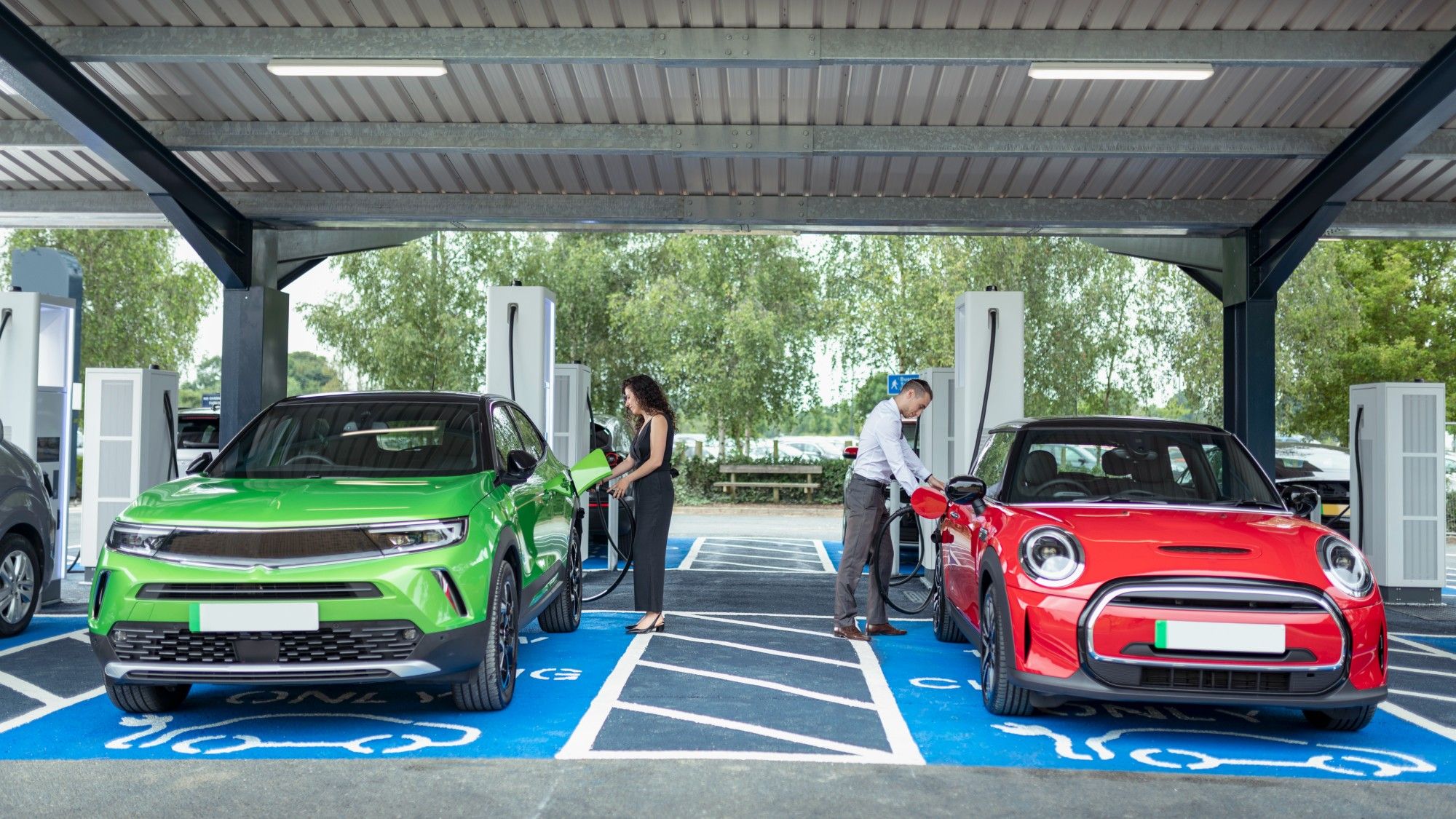
Soaring Fuel Prices Tip Scales in Favor of Electric Vehicles
Drivers of traditional petrol cars are now facing significantly higher annual running costs than their electric vehicle (EV) counterparts, a shift driven by escalating oil prices. Analysis indicates that the typical petrol car owner can expect to spend 1,353 annually on fuel in 2026. In stark contrast, EV drivers who charge at home will spend an estimated 592 for the same period. This disparity is so pronounced that June 9th has been designated Electric Car Day 2026, marking the point at which the average petrol car driver will have spent the equivalent on fuel as an EV driver spends for an entire year.
The current energy market volatility, partly attributed to disruptions stemming from the Iran conflict impacting Middle East energy production and transportation, has been a key factor in pushing up fuel prices, including petrol. This economic reality comes as the UK government is actively promoting a transition to EVs, with a ban on the sale of new petrol and diesel cars slated for 2030.
While running costs are increasingly favoring EVs, experts emphasize the importance of considering the total cost of ownership when comparing vehicles. A significant hurdle for EVs has historically been their higher upfront purchase price compared to petrol and diesel models. However, this is evolving. Many private car buyers opt for leasing or personal contract plans, and government initiatives like the taxpayer-backed electric car grant, coupled with zero-emission vehicle targets, are intensifying pressure on manufacturers to offer more competitive pricing and discounts.
The cost of running an EV, particularly when charging at home, is substantially lower than for a petrol car. EVs can achieve impressive ranges, often up to 300 miles on a single charge, though performance can be influenced by weather conditions. It is crucial for EV drivers to monitor their charging habits, as public charging stations can be considerably more expensive, potentially negating savings compared to petrol.
However, the financial landscape for EV ownership is not without its nuances. The higher value of EVs can translate to increased insurance premiums. Furthermore, repair costs can be higher if specialized mechanics are required. EV owners will still incur costs for car tax, servicing, and MOTs. Looking ahead, the government plans to introduce pay-per-mile charges from April 2028, intended to offset declining fuel duty revenues. This measure is expected to narrow the cost gap between electric and petrol cars concerning fuel expenses.
Ultimately, the decision between a petrol and electric vehicle hinges on individual circumstances. For those without access to home charging, a petrol car may offer greater financial savings and convenience. However, for individuals with the ability to charge at home, leasing an EV presents a compelling option, potentially offering a smart way to drive a new vehicle, mitigate depreciation, and maintain lower monthly running costs.
BNN's Perspective: The current economic climate, marked by volatile fuel prices, is undeniably accelerating the appeal of electric vehicles. While upfront costs and charging infrastructure remain considerations, the long-term savings on running costs are becoming increasingly difficult to ignore. As technology advances and government incentives continue, the transition to electric mobility appears not just an environmental imperative but also a sound financial decision for many.
Tags: petrol car cost, electric car cost, fuel prices, oil prices, EV running costs, petrol car running costs, Electric Car Day 2026, Iran conflict, energy prices, UK car ban, total cost of ownership, upfront car costs, EV grants, zero-emission vehicle targets, home charging, public charging, EV insurance, EV repairs, car tax, pay-per-mile charges, fuel duty, leasing EVs