The Black Death May Be Linked to a Mysterious Volcanic Eruption
3 minute readPublished: Thursday, December 4, 2025 at 4:10 pm
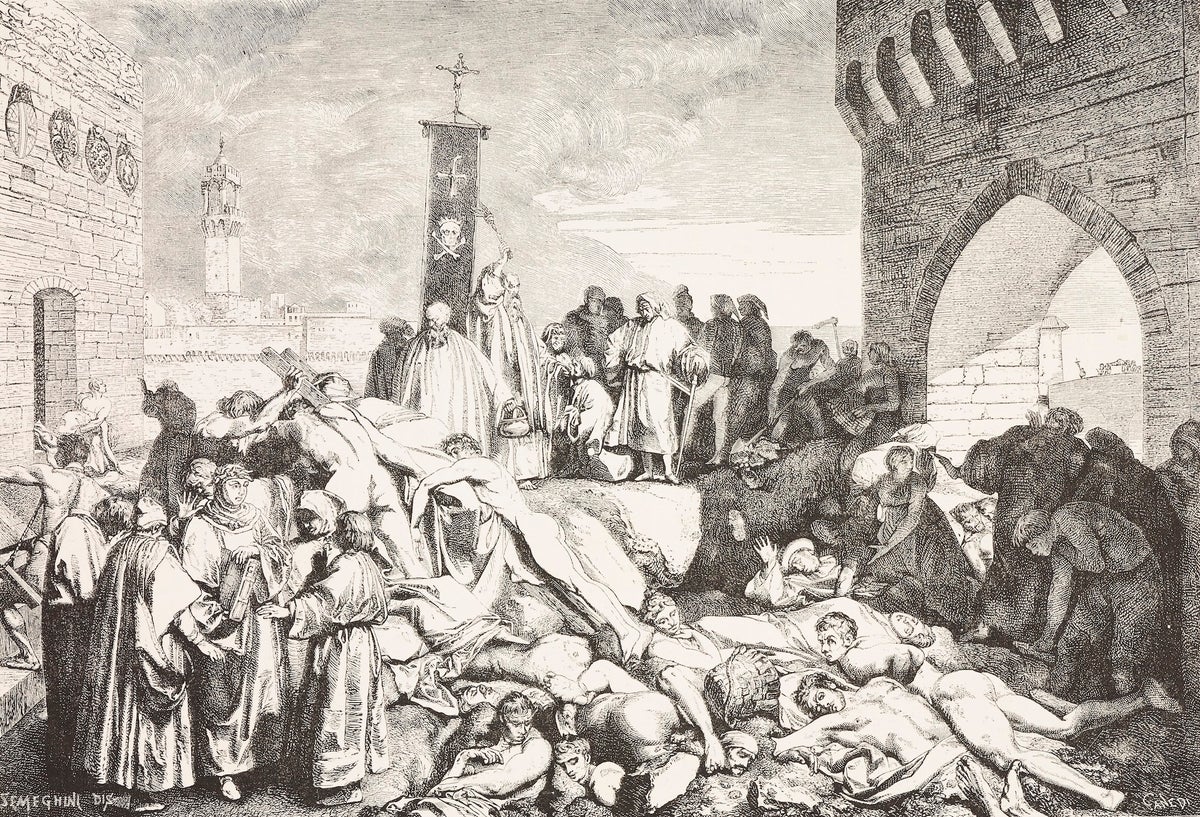
Mysterious Volcanic Eruption May Have Fueled the Black Death
New research suggests a previously unknown volcanic eruption may have played a significant role in the devastating spread of the Black Death, a pandemic that decimated Europe in the mid-14th century. The study, published in *Communications Earth & Environment*, proposes a link between a major volcanic event and the subsequent climate instability that facilitated the plague's arrival.
Historians, led by Martin Bauch, examined historical records and discovered a period of severe crop failures in Italy beginning in 1345, just before the Black Death's emergence. They hypothesized that these failures, caused by rainstorms, forced Italian states to import grain from the Black Sea region. This grain, the researchers believe, carried fleas infected with *Yersinia pestis*, the bacterium responsible for the plague.
To investigate further, the researchers analyzed tree-ring data and polar ice core samples. The data revealed a significant volcanic eruption in 1345, the source of which remains unidentified. The eruption's impact on the climate, including altered rainfall patterns, likely contributed to the crop failures and the subsequent reliance on grain imports.
This new research challenges previous theories about the plague's origins, which suggested it was brought to Italy by sailors. The study also highlights the complex interplay of factors that contributed to the pandemic, including climate, trade, and the movement of disease vectors. While the exact location of the eruption remains a mystery, the research offers a compelling hypothesis that underscores the importance of understanding the environmental factors that can influence the spread of disease. The study emphasizes that the Black Death is not fully understood and that further research is needed.
BNN's Perspective: This research offers a fascinating new perspective on a historical event that continues to shape our understanding of pandemics. While the exact details of the volcanic eruption remain unclear, the study's findings highlight the interconnectedness of climate, trade, and disease. It serves as a timely reminder of the importance of scientific investigation and the need to understand the complex factors that contribute to the spread of infectious diseases, especially in light of recent global events.
Keywords: Black Death, plague, volcanic eruption, climate change, crop failure, Italy, grain trade, Yersinia pestis, pandemic, disease, history, research, environmental factors, infectious disease.