Thawing ICE
3 minute readPublished: Tuesday, February 3, 2026 at 2:44 pm
Immigration Enforcement Policies Face Setbacks in Court
Recent court rulings have dealt blows to the Trump administration's immigration enforcement policies. Two separate court orders have temporarily blocked key initiatives, signaling potential shifts in how the Department of Homeland Security (DHS) and Immigration and Customs Enforcement (ICE) operate.
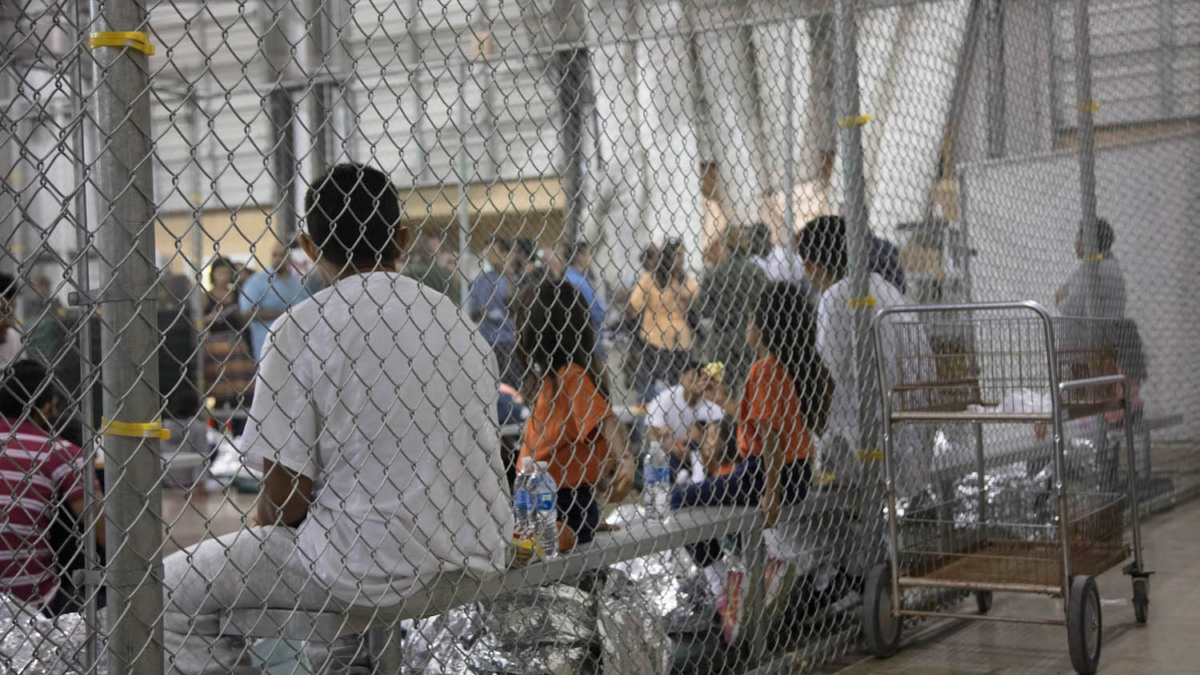
The first ruling, stemming from a lawsuit filed by Democratic members of Congress, prevents ICE from enforcing a new rule requiring seven days' advance notice before congressional visits to detention facilities. The court found that DHS's attempt to circumvent existing oversight rights was likely unlawful. This decision follows a previous temporary stay on a similar advance-notice requirement issued by DHS Secretary Kristi Noem.
The second ruling concerns the administration's efforts to end Temporary Protected Status (TPS) for Haitians. The court temporarily blocked the move, citing concerns that the decision was influenced by hostility towards non-white immigrants. This decision would have affected many Haitians who have been living and working in the United States legally.
In related news, Secretary Noem announced the deployment of body cameras to all field officers in Minneapolis, with plans for a nationwide expansion as funding allows.
These legal challenges come amidst ongoing debates over ICE oversight and funding, including a potential government shutdown.
BNN's Perspective: These rulings highlight the ongoing legal battles surrounding immigration policy. While the administration may face setbacks, the issues at stake remain complex and require careful consideration of both legal and humanitarian concerns.
Keywords: Immigration, ICE, DHS, Temporary Protected Status, TPS, Haitians, Court Ruling, Body Cameras, Congressional Oversight, Government Funding, Trump Administration, Enforcement Policies.