Tariff Man
3 minute readPublished: Friday, July 24, 2026 at 1:31 pm
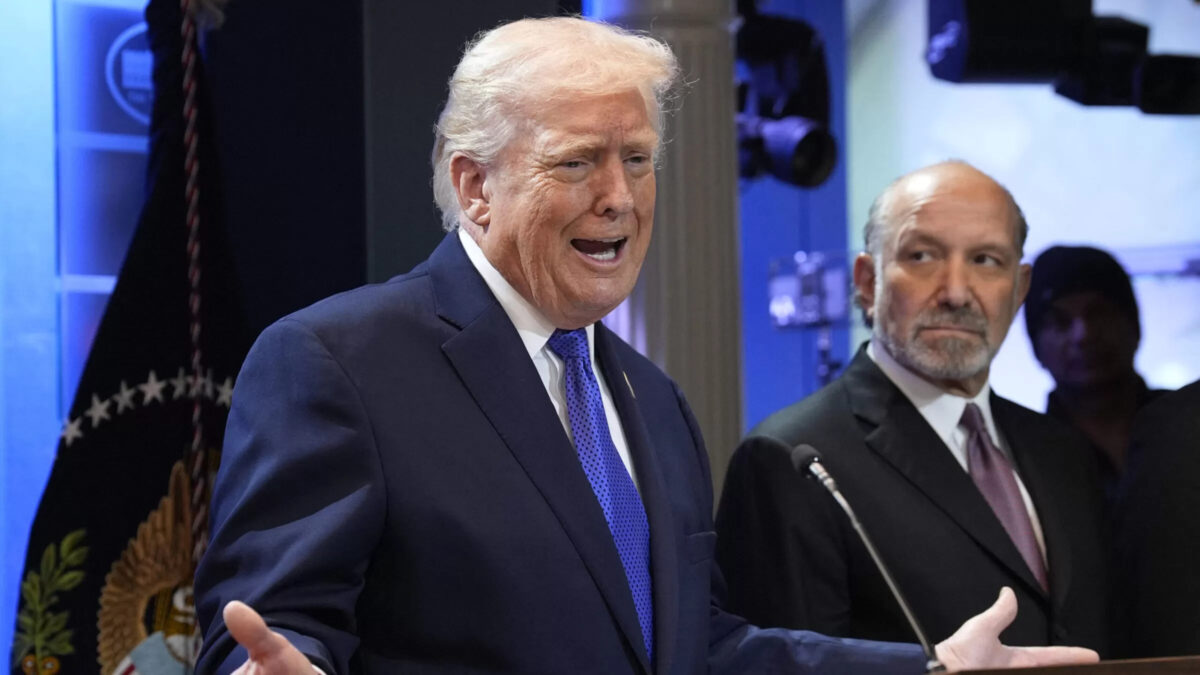
President Trump has reinstated a sweeping global 10 percent tariff, impacting approximately 60 economies. This move follows the Supreme Court's earlier strike-down of most of his unilateral tariffs. The new legal authority for these tariffs carries a 150-day limit, which has now expired. The reinstated tariffs largely mirror the previous ones, with nations lacking laws against forced labor facing an additional 12.5 percent tariff. The administration asserts this policy aims to encourage stronger labor rights enforcement abroad, labeling it the most significant international labor rights action ever taken by the United States. However, skepticism exists regarding this stated motivation, with some suggesting the forced labor investigation serves as a pretext for imposing tariffs aligned with the President's economic theories and preferences.
In parallel, the President's actions regarding military engagement in Iran have raised constitutional questions. After notifying Congress of a terminated war with Iran and a subsequent ceasefire, hostilities resumed. The President then informed Congress of a new war, granting the White House an additional 60 days of action without congressional approval. The administration framed this as a defensive measure to protect American interests. While the House of Representatives voted on a resolution to end the war, this action was largely symbolic, as concurrent resolutions lack the force of law and would not compel the administration to cease military operations. A Senate effort to block the war also failed.
Furthermore, the administration's actions have drawn scrutiny regarding freedom of the press. The Justice Department subpoenaed reporters from The New York Times following their reporting on a new aircraft gifted by Qatar, which raised questions about its defense capabilities. The Times challenged these subpoenas in court, and after judicial intervention, the Justice Department withdrew them.
In other news, reports indicate the President is growing impatient with the conflict in Iran, believing military force is the only language Tehran understands, and is reportedly in "revenge mode." Despite this, there are indications of a desire to disengage from the war. Separately, Senator Ted Cruz is reportedly considering legislation addressing catastrophic AI risk, while discussions continue on AI's impact on employment. Congress is also advancing a spending bill that would increase the federal budget deficit by over $100 billion with interest.
BNN's Perspective:
The current administration's approach to both trade and foreign policy appears to be characterized by a willingness to employ unilateral actions, often utilizing evolving legal justifications. While stated intentions, such as promoting labor rights or protecting national security, are presented, the consistent pattern of imposing tariffs and engaging in military actions without broad congressional consensus raises concerns about the balance of power and the long-term implications of such policies. The effectiveness and underlying motivations behind these actions warrant continued scrutiny.
Tags: Tariffs, President Trump, Supreme Court, global tariff, forced labor, labor rights, Iran, war, Congress, House of Representatives, Senate, freedom of the press, New York Times, subpoenas, Justice Department, AI risk, federal budget deficit