Soviet spacecraft Kosmos 482 crashes back to Earth, disappearing into Indian Ocean after 53 years in orbit
3 minute readPublished: Saturday, May 10, 2025 at 1:24 pm
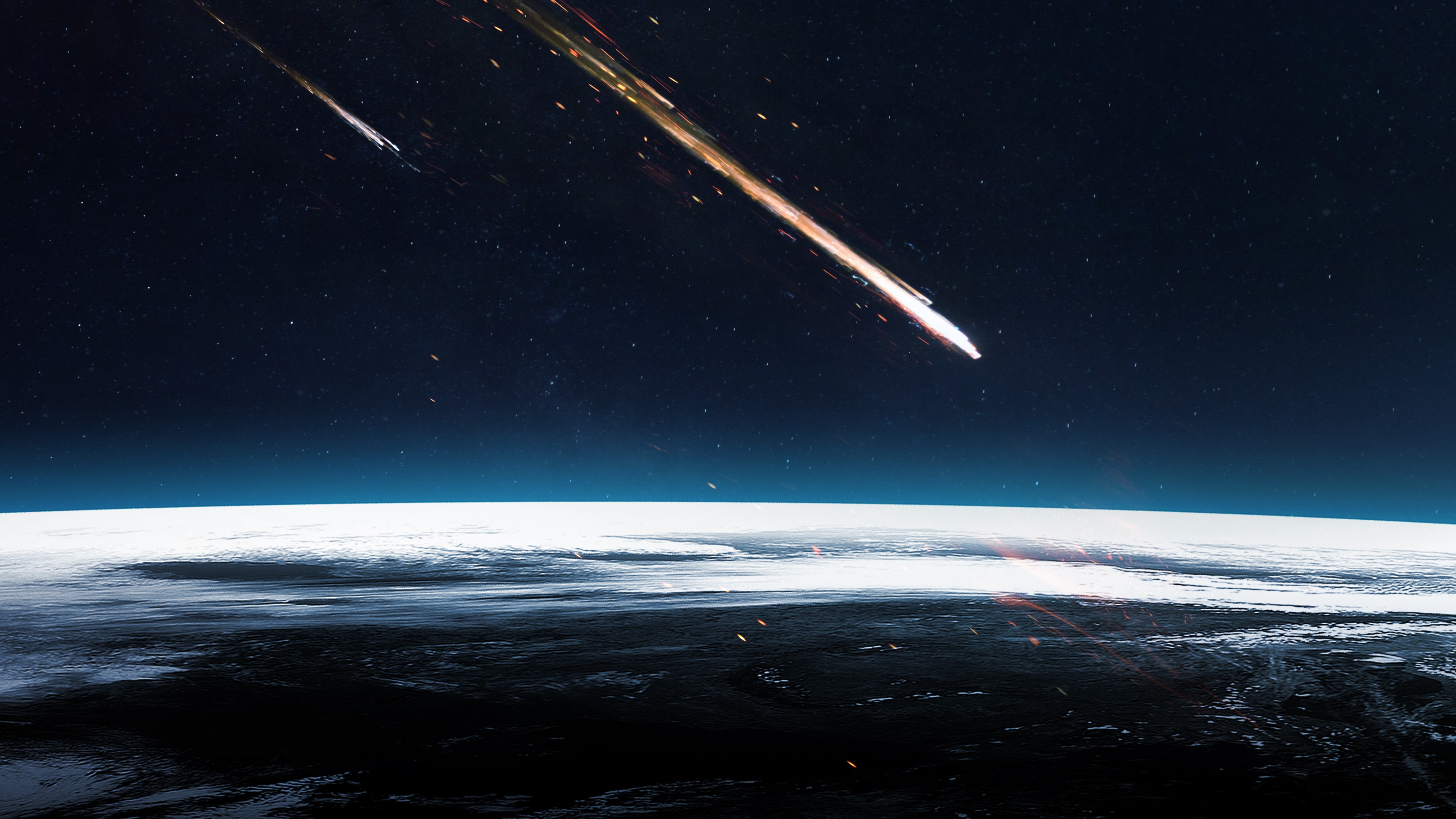
Soviet Spacecraft Kosmos 482 Returns to Earth After 53 Years, Plunges into Indian Ocean
After more than half a century in orbit, the Soviet spacecraft Kosmos 482 has finally returned to Earth, crashing into the Indian Ocean. The Russian space agency Roscosmos announced the event on Telegram, stating the probe deorbited and fell into the ocean west of Jakarta, Indonesia, at 2:24 a.m. EDT (6:24 a.m. GMT). Thankfully, no damage or injuries have been reported.
Launched in 1972 as part of the Soviet Union's Venera program, Kosmos 482 was intended to land on Venus. However, a malfunction during launch prevented it from reaching its destination, leaving it stranded in an elliptical orbit around Earth. The spacecraft was a sister probe to Venera 8, which successfully landed on Venus and transmitted data.
The spacecraft's descent was monitored by the Automated Warning System for Hazardous Situations in Near-Earth Space. The main body of Kosmos 482 re-entered Earth's atmosphere in 1981, while the lander remained in orbit. The lander, designed to withstand the harsh conditions of Venus, is expected to have survived the re-entry relatively intact. Any surviving debris will belong to Russia under a United Nations treaty.
The Aerospace Corporation had previously assessed the risk of the spacecraft causing harm as extremely low, emphasizing that the chances of being struck by lightning are far greater. This event underscores the growing concern of space debris and the potential hazards it poses. The incident highlights the need for continued monitoring and management of space junk, as agencies worldwide track thousands of pieces of debris orbiting our planet.
Keywords: Kosmos 482, Soviet spacecraft, Venus, Indian Ocean, Roscosmos, space debris, re-entry, Venera program, space race, spacecraft crash, Jakarta, Indonesia, space junk, elliptical orbit, lander, Russia, space safety, space news, Soviet Union, deorbit, space mission