Seattle Imposes One-Year Moratorium on New Data Centers Amid Growing 'Techlash'
3 minute readPublished by BNN
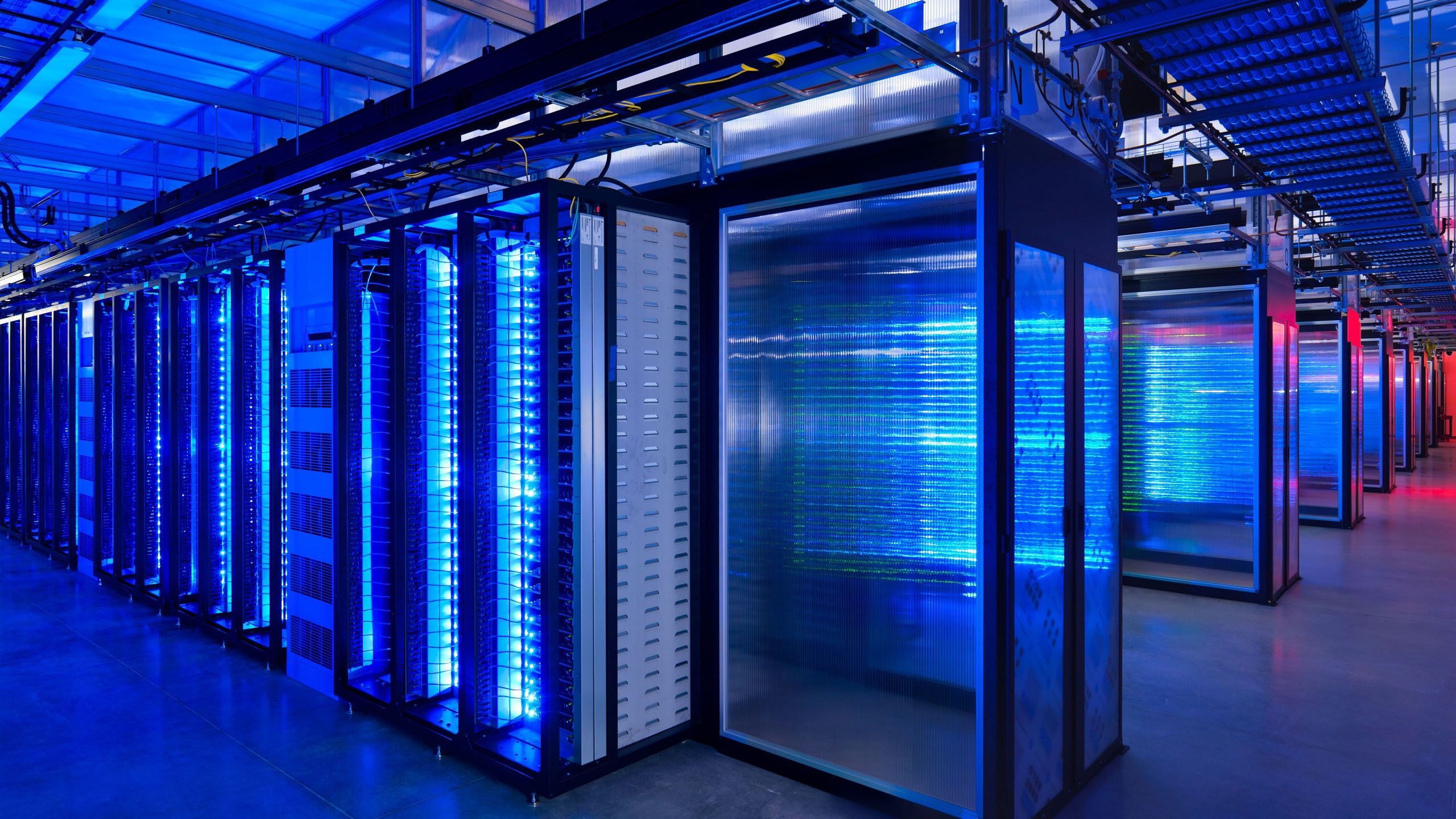
The Seattle City Council unanimously voted on Tuesday to enact a one-year moratorium on the construction of new data centers, making it the largest U.S. city to pump the brakes on the physical expansion of artificial intelligence. The move reflects a significant public backlash against the enormous energy and water demands of the facilities that power AI.
This temporary ban gives lawmakers a critical window to draft regulations addressing the unique strain AI data centers place on municipal resources. The decision was spurred by mounting concerns over the local power grid and rising electricity costs for residents. A pivotal report in April revealed that five proposed data centers could consume up to one-third of the city's entire electricity supply, a figure that galvanized officials into action.
A Continent-Wide Resistance
Seattle's decision is not an isolated event but the most prominent example of a growing opposition movement across North America. In Canada, protests have erupted in Ontario, British Columbia, and Saskatchewan over the land, electricity, and water required for these massive server farms. In late May, demonstrators marched in Vancouver to oppose two planned AI facilities amid tightening water restrictions. Citing environmental and community impacts, the premier of Manitoba recently announced a large AI data center project south of Winnipeg would not proceed. This sentiment is widespread, with a recent Angus Reid poll finding that 68% of Canadians would oppose a large AI data center near their homes.
Similar resistance is building in the United States. In Socorro, New Mexico, a coalition of farmers, ranchers, and residents has fiercely opposed a proposed data center, with a recent town hall drawing a large, vocal crowd. A petition against the project has gathered thousands of signatures in a county of just over 16,000 people, highlighting the grassroots nature of the opposition.
The High Cost of Computation
The core arguments against AI data centers center on their disproportionate consumption of public resources. A single query on a generative AI chatbot can use nearly ten times the electricity of a standard Google search. A typical 100-megawatt facility consumes as much power as 40,000 to 64,000 Canadian households annually. This energy draw, coupled with the vast amounts of water needed for cooling, creates a massive carbon footprint. A United Nations University report noted data centers generated 189 million tons of CO2 in a single year.
While proponents cite economic growth, the public remains skeptical. Many question the quality and quantity of long-term jobs created, arguing the strain on public infrastructure outweighs benefits that often flow to large tech corporations. This growing "techlash" is a tangible manifestation of broader anxieties about AI's unchecked development, from algorithmic bias to job displacement, signaling a new era of public scrutiny over the real-world cost of digital progress.
BNN's Perspective:
Seattle's moratorium marks a pivotal shift in the governance of technology, moving the debate from the ethereal realm of data and algorithms to the concrete reality of power grids and water rights. This action establishes a precedent for municipal governments to assert authority over the physical footprint of the digital economy. It forces a public and political reckoning with the previously externalized environmental costs of AI, challenging the tech industry's narrative of frictionless progress. This could empower other communities to demand greater accountability and a more equitable distribution of AI's costs and benefits.
Tags: Seattle, data center moratorium, artificial intelligence, electricity consumption, public resistance, environmental impact, techlash, AI infrastructure