Reframing the French Indo-Pacific: New Caledonia, How to Overcome the Geopolitical Impasse?
3 minute readPublished: Friday, July 4, 2025 at 7:49 am
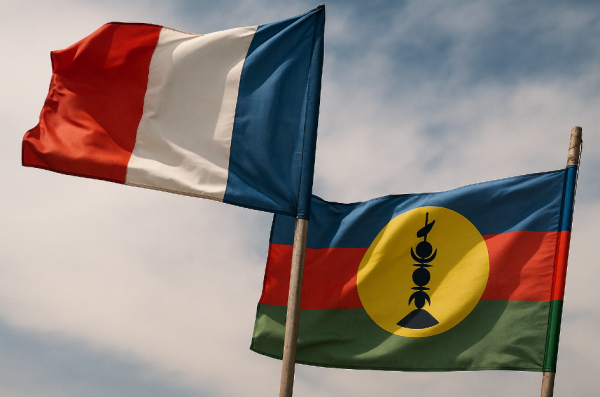
France's Indo-Pacific Strategy Faces Challenges in New Caledonia
France is actively pursuing a strategic presence in the Indo-Pacific region, viewing it as crucial for its national and European interests. President Emmanuel Macron has emphasized France's commitment to a stable, multipolar order in the region, aligning with partners like India, Japan, and ASEAN. As the only EU member with sovereign territories in the Indo-Pacific, France aims to be a leading voice for European engagement.
A key element of this strategy involves the French Indo-Pacific Overseas Collectivities (FIPOCs), which include territories like New Caledonia. These territories, with a combined population of 1.65 million, are vital to France's presence, particularly given that 93% of France's Exclusive Economic Zone (EEZ) lies in the Indian and Pacific Oceans.
However, the integration of these territories into a cohesive strategy faces challenges. While the FIPOCs share some commonalities, their individual contexts and geopolitical dynamics vary significantly. This is particularly evident in New Caledonia, a French archipelago in the Southwest Pacific.
New Caledonia, home to the world's fifth-largest nickel reserve, has a complex history marked by Indigenous Kanak people, European colonization, and waves of immigration. The archipelago has experienced a long-standing independence movement, which has led to political tensions and violence.
The Matignon Agreements (1988) and the Nouméa Accord (1998) established a framework for a gradual transition towards greater autonomy, including self-determination referendums. Three referendums were held between 2018 and 2021, but none produced a conclusive outcome. The most recent referendum was boycotted by pro-independence parties.
In May 2024, as the French government sought to alter electoral rolls, violent riots erupted, resulting in deaths, injuries, and significant economic damage. The political process remains stalled, hindering economic recovery. Provincial elections are expected before the end of 2025, raising concerns about further unrest.
A new summit began on July 2 in Paris, bringing together all political stakeholders in the hope of resolving the political and economic crisis. The negotiations are expected to last for quite a while. The ongoing crisis threatens to undermine France's broader strategy in the region.
BNN's Perspective: The situation in New Caledonia highlights the complexities of balancing national interests with local aspirations. While France's Indo-Pacific strategy is strategically sound, the government must prioritize inclusive dialogue and address the underlying grievances of all communities to achieve a lasting resolution. The future of New Caledonia will depend on the ability of all parties to find common ground and build a shared vision for the future.
Keywords: France, Indo-Pacific, New Caledonia, Independence, Referendum, Kanak, Violence, Political Crisis, Economic Impact, Electoral Roll, Macron, Geopolitics, Overseas Territories, Nickel, Decolonization.