PS6 is Unlikely to Face Delays Since R&D, Manufacturing Deals Are Basically Done Rumor
3 minute readPublished: Tuesday, June 23, 2026 at 1:40 pm
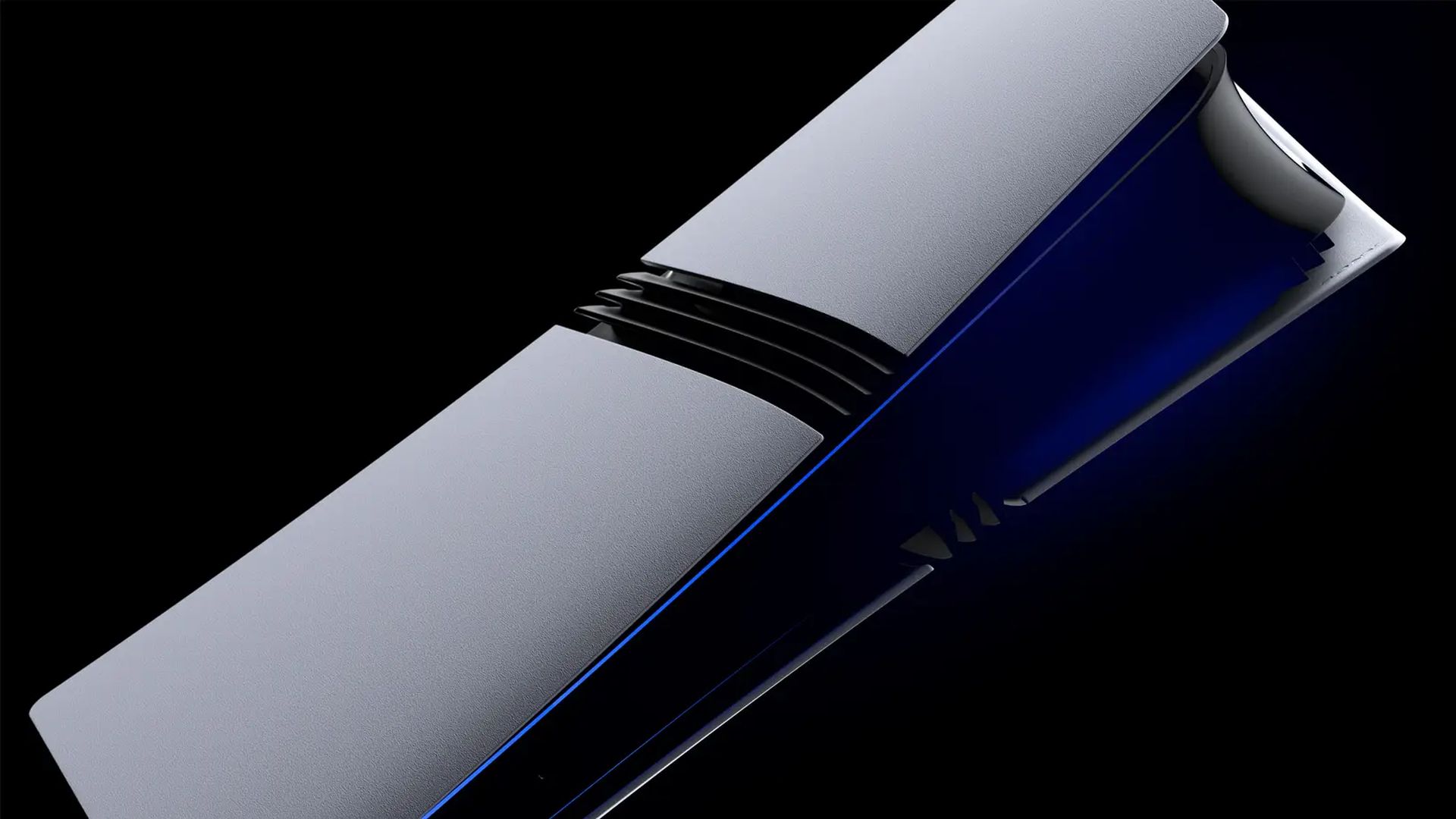
PS6 Launch on Track for 2027 Despite Memory Shortage Concerns
Recent speculation suggesting that ongoing memory shortages could force Sony to postpone the planned 2027 launch of its PlayStation 6 console has been met with strong disagreement from industry insiders. Hardware analyst KeplerL2, a known leaker within the tech community, has dismissed these rumors, indicating that the PS6 is unlikely to face significant delays.
Responding to questions about potential pushes into 2028 or beyond, KeplerL2 offered a definitive rejection of the delay narrative. While not elaborating on the specifics, the leaker's stance aligns with observations made by forum users who argue that a delay would be strategically disadvantageous for Sony.
A key point raised is that Sony has already secured crucial manufacturing agreements. The company has reportedly entered into contracts with chip manufacturer TSMC for the fabrication of the PS6's core hardware components. Furthermore, there is no guarantee that memory prices will decrease in the future, making it financially prudent to proceed with the planned launch.
The argument posits that delaying a console that is largely developed and has manufacturing deals in place would be counterproductive. With research and development costs already incurred, and potential contracts for advanced memory technologies like GDDR7 in place, pushing back the release would offer little benefit. The current slowdown in PlayStation 5 sales further underscores the need for a timely introduction of the next-generation console.
Releasing the PS6 in 2027 would allow Sony to capture significant market share before potential memory price drops, enabling a future price reduction and further market penetration. Conversely, a 2030 launch would mean starting from scratch in a market where memory prices could remain the same, increase, or decrease, creating an uncertain competitive landscape.
KeplerL2 had previously indicated that AMD, a key partner in developing the PS6's chips, had already begun testing and validating the components. This suggests a commitment to the current timeline, as such validation processes would be a waste of resources if a significant delay were anticipated.
The industry has precedent for navigating challenging launch periods, as evidenced by the PlayStation 5's release during the COVID-19 pandemic. Despite global supply chain disruptions, Sony successfully brought the PS5 to market, demonstrating resilience in overcoming logistical hurdles.
Looking ahead, analysis of the rumored hardware for both the PS6 and Microsoft's next-generation console, codenamed Project Helix, suggests a shift in competitive focus. Instead of prioritizing graphical fidelity, both consoles are expected to vie for superiority in frame rates. While Project Helix may possess more powerful hardware, the performance gap with the PS6 is not anticipated to be substantial, potentially leading to a scenario where one console targets 4K at 144 frames per second and the other at 60 frames per second.
BNN's Perspective: The persistent rumors of a PS6 delay, while understandable given current global supply chain challenges, appear to be unfounded based on insider information and strategic business logic. Sony's proactive approach to securing manufacturing deals and the potential financial risks associated with delaying a near-complete product suggest a commitment to the 2027 launch window. The focus on frame rates for next-generation consoles also indicates a competitive landscape that is evolving beyond raw graphical power.
Tags: PS6, PlayStation 6, Sony, delay, launch, 2027, memory shortage, R&D, manufacturing, TSMC, APUs, GDDR7, KeplerL2, Bojji, PS5, sales, AMD, Project Helix, frame rates, 4K, FPS