Private credit: Start of a new financial meltdown?
3 minute readPublished: Thursday, March 26, 2026 at 2:40 pm
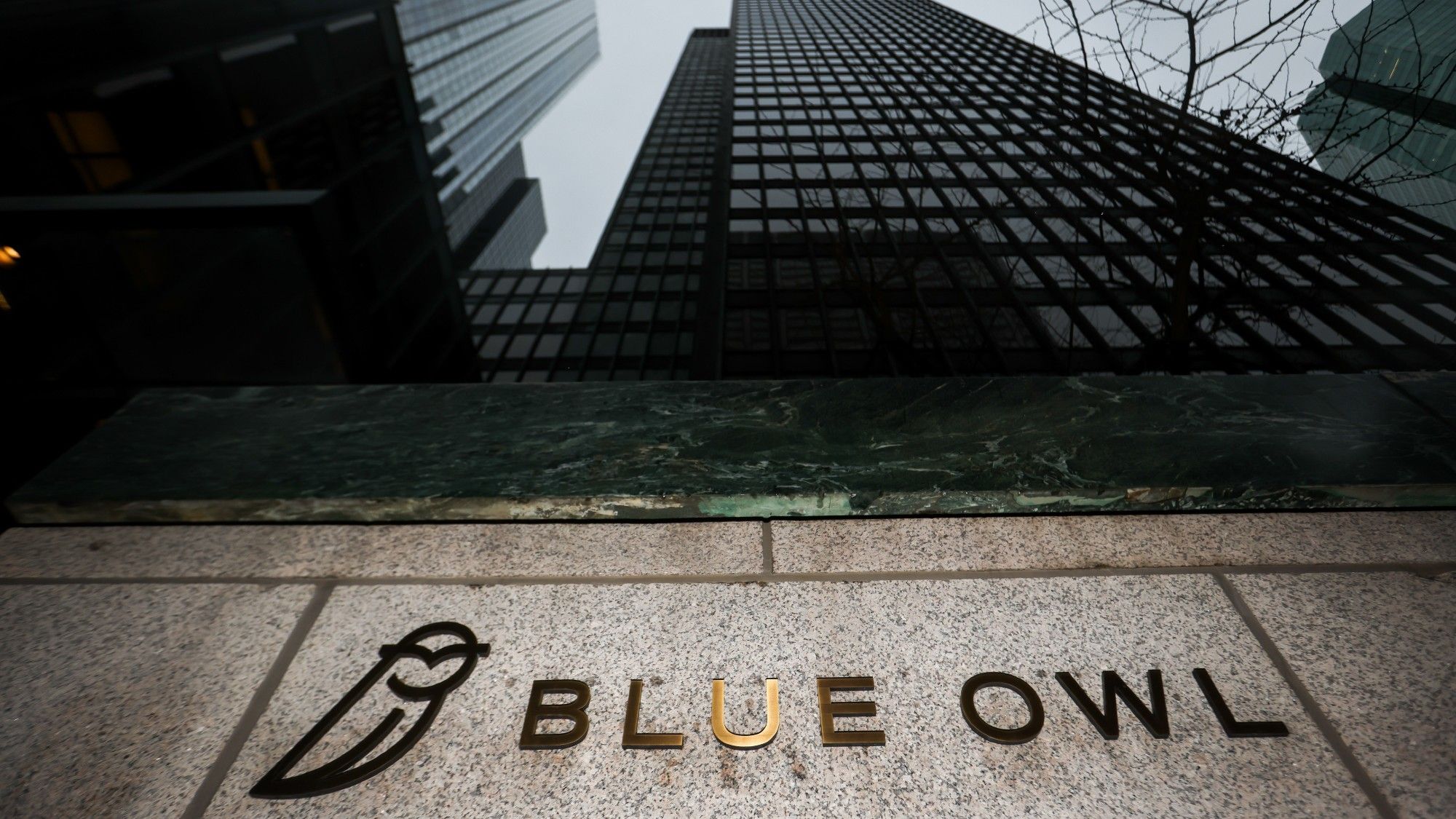
Private Credit Market Sparks Concerns Amidst Economic Uncertainty
A burgeoning segment of the investment world, known as private credit, is drawing scrutiny as economic headwinds intensify. Private credit funds, which provide loans to higher-risk companies often bypassed by traditional banks, experienced a surge in popularity during a period of elevated interest rates. However, the opaque nature of this market, characterized by a lack of readily available information and the absence of a central exchange, is now raising concerns.
Several factors are contributing to the unease. Many borrowers within private credit portfolios are software and technology companies, now facing challenges from the rapid advancement of artificial intelligence. This has led some investors to seek the return of their capital. The largest publicly traded private lending firm has seen a significant decline in its share value and has implemented restrictions on withdrawals, including the suspension of quarterly liquidity payments.
Comparisons are being drawn to the 2008 financial crisis, where uncertainty surrounding the housing market and related investments triggered widespread market instability. The lack of transparency in private credit, similar to the complexities of mortgage-backed securities, is fueling anxieties. The potential for hidden risks within these portfolios is a significant worry.
Despite these concerns, experts emphasize the need for perspective. The private credit industry, while substantial at approximately $2 trillion, is relatively small compared to the overall financial system, potentially limiting the risk of widespread contagion. Furthermore, post-2008 regulations have strengthened the financial system's ability to withstand shocks. While the private capital bubble appears to be deflating, the impact is expected to be gradual.
Private credit plays a crucial role in providing capital to growing companies, particularly in the technology sector. The structure of these funds, which often limit withdrawals to a percentage per quarter, is designed to prevent rapid outflows and forced asset sales. Additionally, private credit funds are generally less leveraged than traditional banks.
BNN's Perspective:
While the private credit market warrants close monitoring, the current situation does not appear to be a harbinger of a full-blown financial crisis. The industry's size, regulatory safeguards, and structural features mitigate the risk of systemic collapse. However, the lack of transparency and the potential for hidden risks necessitate vigilance and careful assessment of the evolving economic landscape.
Keywords: private credit, financial market, investment, loans, companies, interest rates, withdrawals, Blue Owl Capital, financial crisis, regulation, technology, artificial intelligence, economic uncertainty, market risk, financial system