Pentagon sends USS Tripoli, thousands of Marines to Middle East
3 minute readPublished: Friday, March 13, 2026 at 5:48 pm
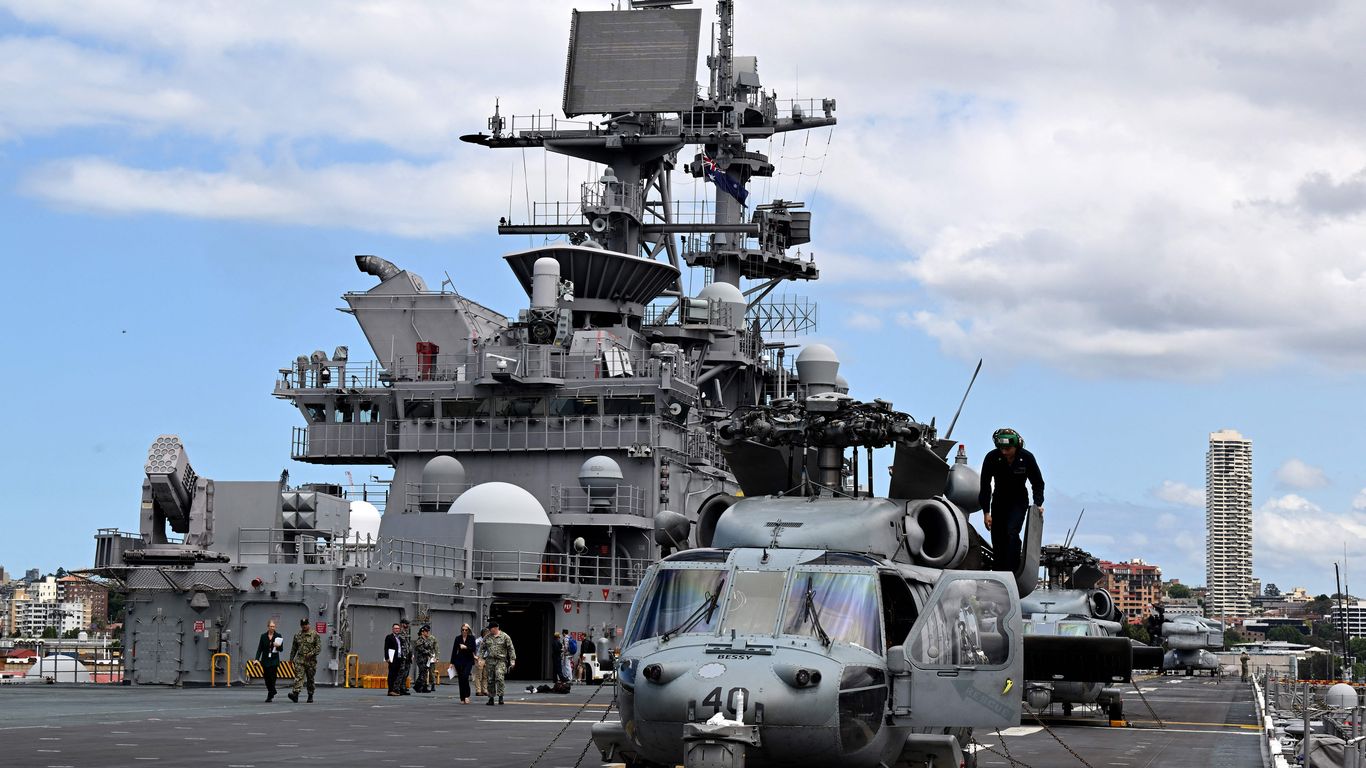
U.S. Bolsters Military Presence in Middle East Amidst Rising Tensions with Iran
Washington, D.C. - The Pentagon has deployed the USS Tripoli and thousands of Marines to the Middle East, responding to escalating tensions with Iran. According to a U.S. official, U.S. Central Command requested the additional forces to provide a wider range of military options. The Marine expeditionary unit is equipped for ground operations, although the official declined to comment on specific operational plans.
This move comes as Iran continues to target shipping in the Strait of Hormuz, contributing to increased global oil prices, shipping costs, and insurance rates. Treasury Secretary Scott Bessent announced that U.S. Navy escorts for commercial vessels in the Strait could be implemented "soon." Bessent noted that the disruptions have already cost the U.S. $11 billion.
Sources indicate that the U.S. military is considering operations to neutralize Iranian land-based anti-ship missiles deployed in the Strait area before implementing the escort program. The situation is further complicated by the recent death of 13 U.S. military members following the crash of a refueling tanker aircraft in Iraq.
In a Friday news conference, officials emphasized the U.S. commitment to degrading Iran's military capabilities. Joint Chiefs of Staff Chair Gen. Dan Caine stated that U.S. Central Command will continue to "destroy the Iranian Navy to ensure freedom of navigation," focusing on Iran's mine-laying capabilities and its ability to attack commercial vessels.
The deployed Tripoli Expeditionary Strike Group includes the 31st Marine Expeditionary Unit, the USS Tripoli, the guided-missile cruiser USS Robert Smalls, and the guided-missile destroyer USS Rafael Peralta.
BNN's Perspective:
The situation in the Middle East is undeniably volatile. While the U.S. has a responsibility to protect its interests and ensure freedom of navigation, a measured approach is crucial. Escalating military posturing must be balanced with diplomatic efforts to de-escalate tensions and prevent further conflict. The economic impact of the current situation is significant, and a swift resolution is in the best interest of all parties involved.
Tags: USS Tripoli, Iran, Middle East, Marines, Strait of Hormuz, military operations, oil prices, shipping costs, Treasury Secretary, U.S. Navy, anti-ship missiles, freedom of navigation, Central Command, Pentagon, military deployment