Nvidia Plans to Begin Shipping Powerful H200 AI Chip to China by Mid-February
3 minute readPublished: Friday, December 26, 2025 at 3:00 pm
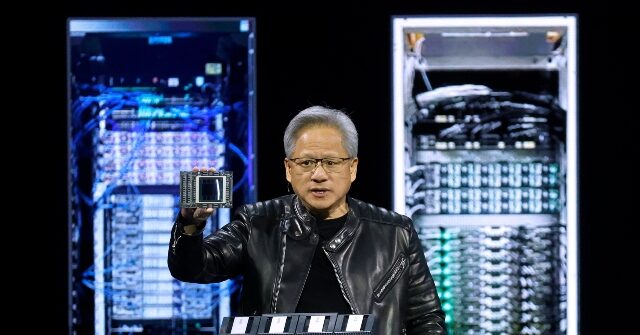
Nvidia to Ship Powerful AI Chips to China, Pending Approval
Nvidia, a leading AI chipmaker, is preparing to ship its H200 AI chips to China, with shipments potentially beginning before the Lunar New Year holiday in mid-February. Sources familiar with the matter indicate that the initial shipments could range from 5,000 to 10,000 chip modules, translating to approximately 40,000 to 80,000 H200 AI chips.
This development follows a shift in U.S. policy. The previous administration had banned the sale of advanced AI chips to China due to national security concerns. However, the current administration has announced it will allow such sales with a 25 percent fee. An inter-agency review of license applications for H200 chip sales to China is underway.
The H200, part of Nvidia's previous-generation Hopper line, is still widely used in AI applications, despite being superseded by newer Blackwell chips. Nvidia has prioritized production of the Blackwell and upcoming Rubin lines, leading to a limited supply of H200 chips.
The planned shipments are subject to government approval. Chinese officials are currently reviewing the matter, including the possibility of requiring each H200 purchase to include a set ratio of domestic chips to support China's own AI chip industry.
Chinese technology companies, such as Alibaba Group and ByteDance, have expressed interest in purchasing the H200 chips. These chips offer significantly enhanced performance compared to the H20, a downgraded chip Nvidia designed specifically for the Chinese market.
This potential resumption of H200 chip sales represents a notable development in the ongoing trade tensions between the United States and China, particularly in the advanced technology sector. The availability of high-performance chips like the H200 could significantly impact China's progress in developing its domestic AI chip industry.
BNN's Perspective:
The decision to allow the sale of these chips is a delicate balancing act. While it could provide a boost to the U.S. economy and potentially ease trade tensions, it also raises concerns about China's technological advancement and its implications for national security. The government's oversight and the potential for requiring a mix of domestic chips are crucial steps in mitigating these risks.
Keywords: Nvidia, H200, AI chips, China, shipments, trade, technology, government approval, Alibaba, ByteDance, national security, U.S. policy