New Zealand cave reveals a time capsule to life before
3 minute readPublished: Monday, July 6, 2026 at 6:00 am
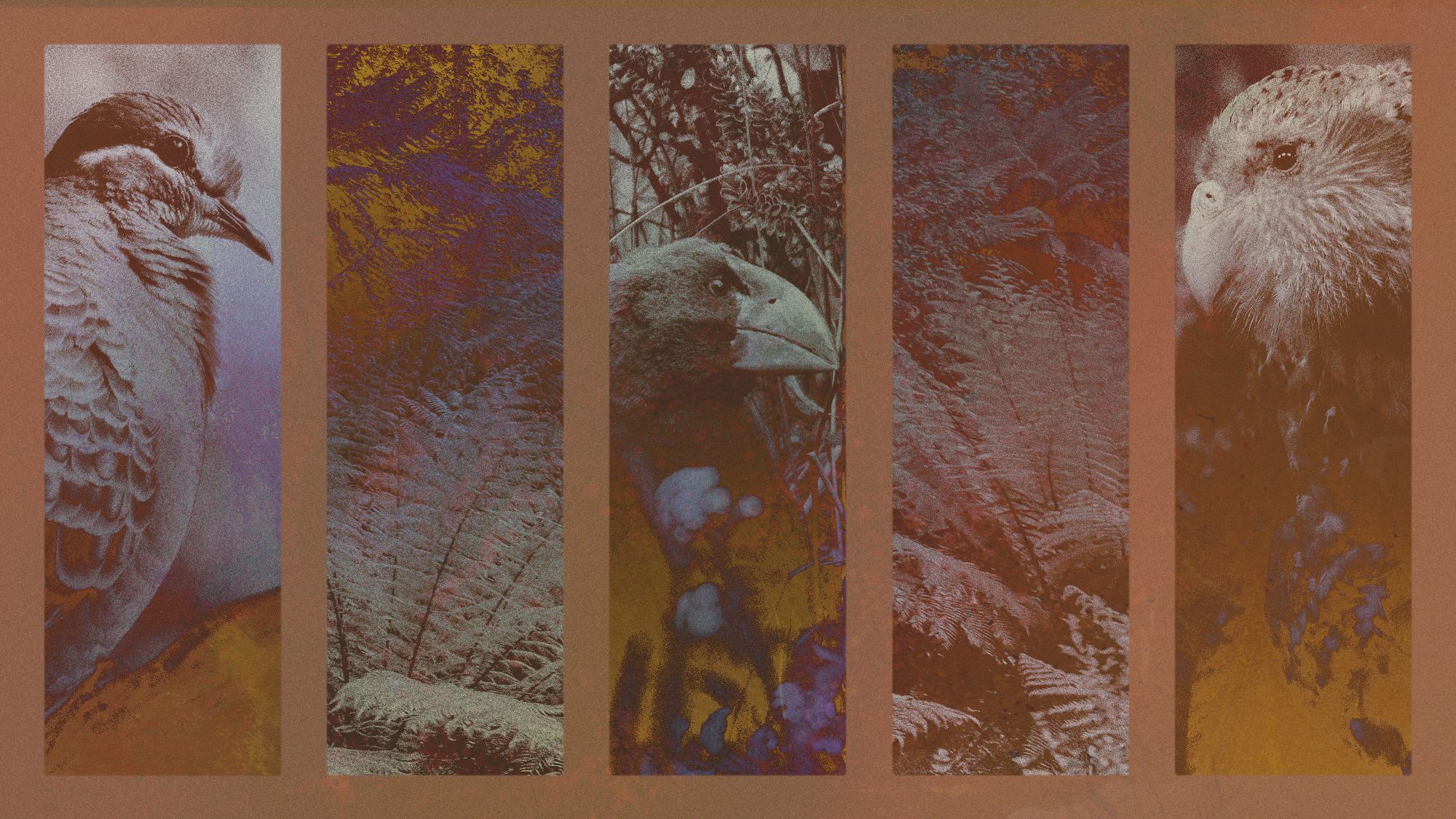
Ancient Cave Unearths Lost World of New Zealand's Pre-Human Past
A remarkable discovery in New Zealand's Moa Eggshell Cave is providing an unprecedented glimpse into the country's ecological history, revealing the presence of numerous extinct animal species that vanished approximately a million years ago. This finding challenges previous understandings of extinction events, suggesting that significant environmental factors were at play long before human arrival.
The cave, acting as a natural time capsule, has yielded the fossilized remains of twelve ancient bird species and four frog species. A study published in Alcheringa: An Australasian Journal of Palaeontology indicates that a substantial portion of these species, estimated between 33% and 50%, disappeared during the million years preceding human settlement. Researchers attribute these extinctions to a combination of rapid climate shifts and catastrophic volcanic eruptions.
Among the notable discoveries are fossils of an extinct ancestor of the takahe, a flightless swamphen native to New Zealand, and an ancient pigeon species with close ties to Australia's bronzewing pigeons. Perhaps the most surprising find is a parrot species, Strigops insulaborealis, an ancient relative of the kakapo. The kakapo, currently the world's heaviest and only flightless parrot, is critically endangered, with only 235 individuals known to exist as of 2026, all residing on predator-free islands. Lead author Trevor Worthy highlighted that this newly recognized avifauna represents a distinct group of birds that once inhabited New Zealand's ancient forests, a community that was ultimately replaced by the fauna encountered by humans much later.
The fossils were found meticulously preserved between two distinct layers of volcanic ash. The older layer dates back to the Ngaroma eruption around 1.55 million years ago, while the younger layer originates from the Kidnappers eruption, occurring approximately one million years ago. This geological context provides a rare and precise age for the fossil deposit, effectively acting as a natural chronological marker.
These findings significantly alter the scientific perspective on extinction in New Zealand. For decades, the narrative of avian extinctions has been largely centered on the impact of human arrival around 750 years ago. However, this study provides compelling evidence that natural forces, including super-volcanoes and dramatic climate changes, were already profoundly shaping the unique biodiversity of New Zealand's wildlife over a million years prior. Study coauthor Paul Scofield emphasized that this discovery is not merely a missing chapter but an entire missing volume in New Zealand's ancient history.
BNN's Perspective: This discovery underscores the dynamic nature of Earth's ecosystems and the complex interplay of environmental forces that drive species survival and extinction. It serves as a crucial reminder that human impact, while significant, is not the sole determinant of biodiversity loss, and that understanding past natural events is vital for informing present-day conservation efforts.
Tags: Moa Eggshell Cave, extinct animal species, New Zealand, ecological history, extinction, bird fossils, frog fossils, climate shifts, volcanic eruptions, takahe ancestor, ancient pigeon, Strigops insulaborealis, kakapo relative, prehistoric avifauna, evolutionary history, volcanic ash, Ngaroma eruption, Kidnappers eruption, biodiversity, natural forces