NATOs Terrible Position
3 minute readPublished: Thursday, March 26, 2026 at 4:08 pm
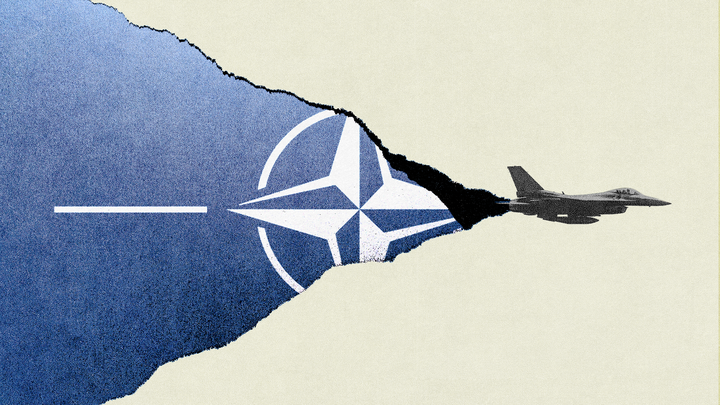
NATO's Future Uncertain Amidst Rising Tensions
The North Atlantic Treaty Organization (NATO) faces a critical juncture as tensions between the United States and its European allies escalate. The current crisis stems from the ongoing conflict in Iran and the closure of the Strait of Hormuz, a vital waterway for global oil transport. The United States, under the leadership of President Trump, has requested NATO's assistance in reopening the strait, but European nations have largely refused, citing concerns about military involvement and a lack of prior consultation.
This reluctance has ignited President Trump's ire, leading to public criticism of NATO members and threats to withdraw U.S. support. The President has previously questioned the value of the alliance and has been critical of European nations' defense spending. He has also expressed a desire for improved relations with Russia, a stance that has further strained relations within NATO.
The situation is further complicated by Russia's involvement. While playing a tangential role in the current crisis, Russia could potentially benefit from a weakened NATO. The Kremlin has already provided intelligence to Iran and has seen the U.S. ease sanctions on Russian oil, a move celebrated by Russian officials.
The potential for a U.S. withdrawal from NATO is a significant concern. While a complete withdrawal is legally complex, President Trump has several options to weaken the alliance, including reducing funding or refusing to honor Article 5, the mutual defense pact. The National Defense Authorization Act of 2024, signed into law by President Biden, prohibits a president from pulling the United States out of NATO without either a two-thirds Senate supermajority or an act of Congress.
The current situation has created a deep divide within the alliance, with some European leaders expressing concern about the future of NATO. The ongoing conflict in Iran and the differing approaches to Russia have exacerbated these tensions, raising questions about the alliance's ability to function effectively.
BNN's Perspective: The situation highlights the fragility of international alliances and the challenges of navigating complex geopolitical landscapes. While the U.S. has legitimate concerns about its allies' contributions, the President's approach risks undermining the very institutions designed to ensure collective security. A more collaborative approach, prioritizing diplomacy and consultation, is essential to preserving the strength and unity of NATO.
Tags: NATO, Trump, Iran, Strait of Hormuz, Russia, European allies, defense spending, U.S. withdrawal, alliance, geopolitics, sanctions, military, security, crisis