Men get postpartum depression too
3 minute readPublished: Saturday, June 27, 2026 at 6:00 am
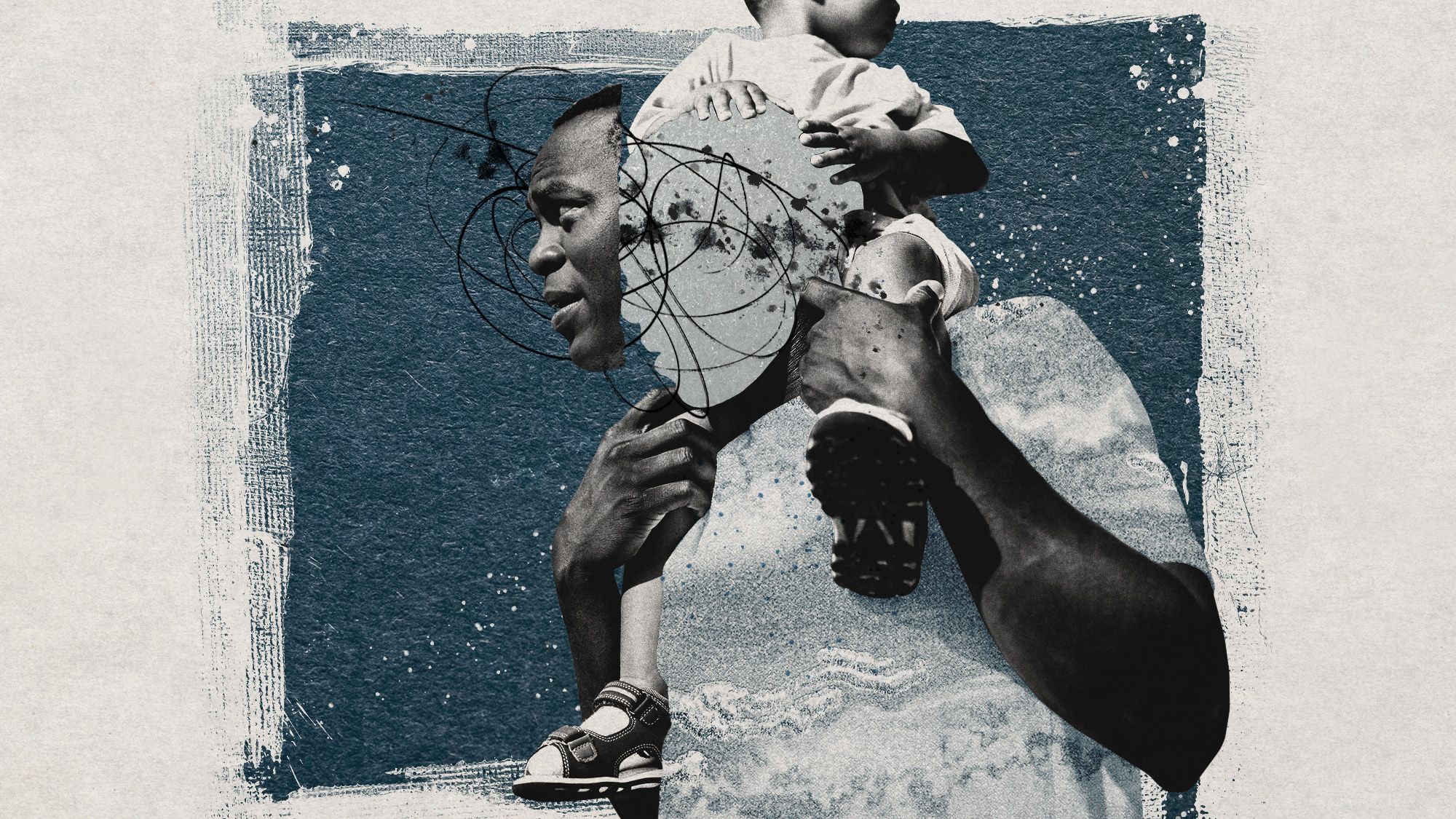
Fathers Face Postpartum Depression: A Growing Concern
While the spotlight on postpartum depression has traditionally focused on mothers, a growing body of research and expert opinion indicates that fathers are also significantly affected by perinatal mood disorders. These conditions, which can encompass depression, anxiety, and obsessive-compulsive tendencies, manifest in men in ways that are often overlooked, leading to underdiagnosis and a lack of appropriate support.
Approximately 10% of fathers experience symptoms of depression and anxiety during the perinatal period, a timeframe extending from pregnancy through the first year of a child's life. This figure, while lower than the proportion of mothers affected, is considered by experts to be potentially higher due to men's reluctance to seek help and their tendency to exhibit different symptoms. Instead of overt sadness, depressed fathers may express aggravation, annoyance, or even rage. Beneath these outward displays, they may be experiencing feelings of hurt, sadness, fear, shame, helplessness, and hopelessness. Physical manifestations such as muscle tension and stomach pain can also accompany these emotional struggles.
Several factors have been identified as contributing to paternal postpartum depression. A 2021 study highlighted the influence of paternal employment, psychological status, a history of maternal mental illness, first-time pregnancies, and the quality of the marital relationship. A prior history of depression in the father is also a significant risk factor. Furthermore, men typically experience a decrease in testosterone levels during their partner's pregnancy, which can increase their vulnerability to depression.
The impact of paternal postpartum depression extends beyond the individual father, affecting the mother and the infant as well. Despite its prevalence and consequences, screening for postpartum depression in men remains underutilized. Men may delay seeking help because they prioritize their partner's needs, hesitate to admit they are struggling, or have been conditioned to view seeking mental health support as a sign of weakness.
The riskiest period for fathers appears to be three to six months after childbirth, potentially linked to the increasing demands of an infant and the mother's return to work. A critical risk factor for paternal postpartum depression is maternal postpartum depression. The societal structure, often designed to support mothers, can leave fathers feeling unsupported as they navigate their new roles as caregivers.
Experts emphasize that seeking help for mental health challenges is not a sign of weakness but a crucial step in self-care and in being a supportive partner and parent. Resources such as medication, talk therapy, or a combination of both are available and beneficial. Adjusting to fatherhood is a significant undertaking, and persistent depressive symptoms should prompt men to reach out for guidance. There is no shame associated with experiencing postpartum depression; it is a condition that deserves recognition and support.
BNN's Perspective: The growing recognition of postpartum depression in fathers is a vital development. It underscores the need for a more inclusive approach to perinatal mental health, acknowledging that the challenges of new parenthood affect both parents. Encouraging open dialogue and destigmatizing help-seeking for men is paramount to ensuring the well-being of entire families.
Tags: postpartum depression, fathers, perinatal mood disorders, anxiety, OCD, depression, men's mental health, paternal postpartum depression, risk factors, seeking help, testosterone, maternal postpartum depression, fatherhood, mental health support