Is Burying the Trees Killed by Wildfires a Climate Solution?
3 minute readPublished: Saturday, November 8, 2025 at 10:05 am
Biomass Burial: A Novel Approach to Post-Wildfire Carbon Sequestration
A new method of carbon sequestration is emerging in the wake of devastating wildfires: biomass burial. This technique involves burying fire-killed trees to prevent their decomposition and the subsequent release of carbon dioxide into the atmosphere. The process is gaining traction as a potential climate solution, particularly in areas heavily impacted by wildfires.
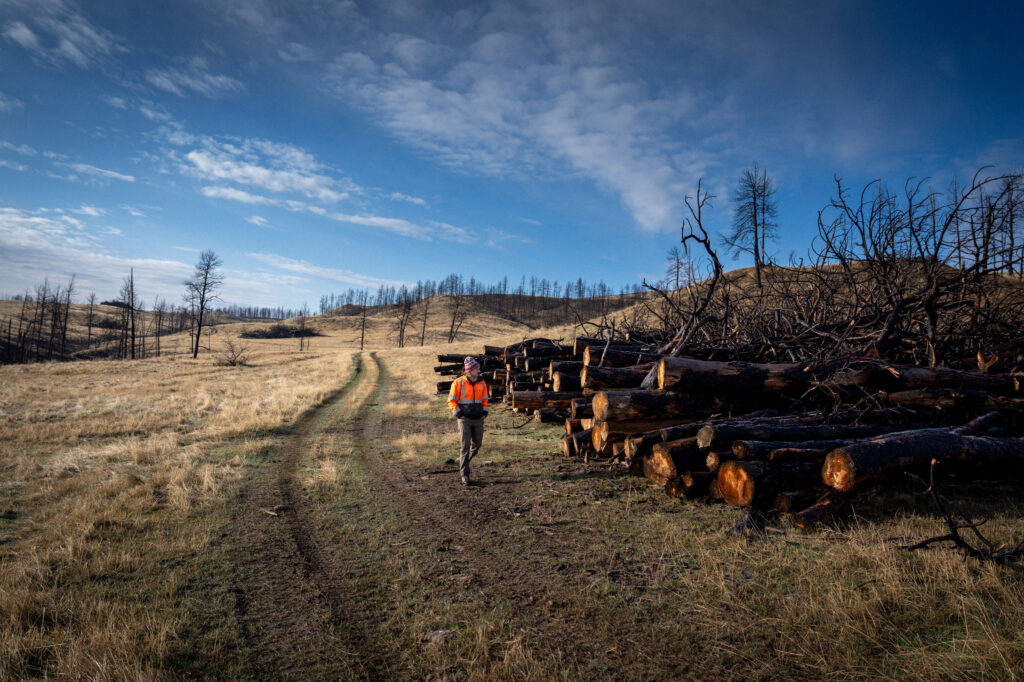
One of the first projects of its kind is underway on a ranch in Montana, where over 50,000 trees were destroyed by a wildfire. The project involves burying the charred logs in a 22-foot pit, creating an oxygen-free environment designed to preserve the wood for at least 100 years. The company managing the project, Mast Reforestation, is selling carbon credits generated by the carbon sequestered in the buried wood. The revenue from these sales will fund the replanting of trees on the affected land.
The concept behind biomass burial is relatively simple: by preventing the wood from decomposing, the carbon stored within it remains locked underground. This approach offers a quicker path to generating carbon credits compared to traditional reforestation, where credits are typically realized after many years of tree growth.
Experts emphasize that biomass burial is not a universal solution. Its effectiveness depends on factors such as the source of the biomass and the availability of alternative uses. The method is most suitable for waste wood that has no other viable applications. The project in Montana is using trees that were too damaged to be used for lumber.
While the technology shows promise, there are considerations. The long-term durability of the carbon sequestration and the scalability of the method are still being evaluated. Despite these questions, biomass burial is seen as a valuable tool in specific contexts, particularly in post-wildfire landscapes where other options are limited.
BNN's Perspective: Biomass burial presents a pragmatic approach to addressing the aftermath of wildfires and offers a potential revenue stream for landowners. While not a standalone solution, it can be a valuable tool in the fight against climate change, especially when combined with responsible forest management practices.
Keywords: biomass burial, carbon sequestration, wildfire, carbon credits, reforestation, climate solution, forest management, Montana, Mast Reforestation, carbon removal, carbon market, waste wood.