How Spacecraft Navigate in Deep Space: Techniques for GPS-Free Deep Space Navigation
3 minute readPublished: Thursday, January 1, 2026 at 1:07 pm
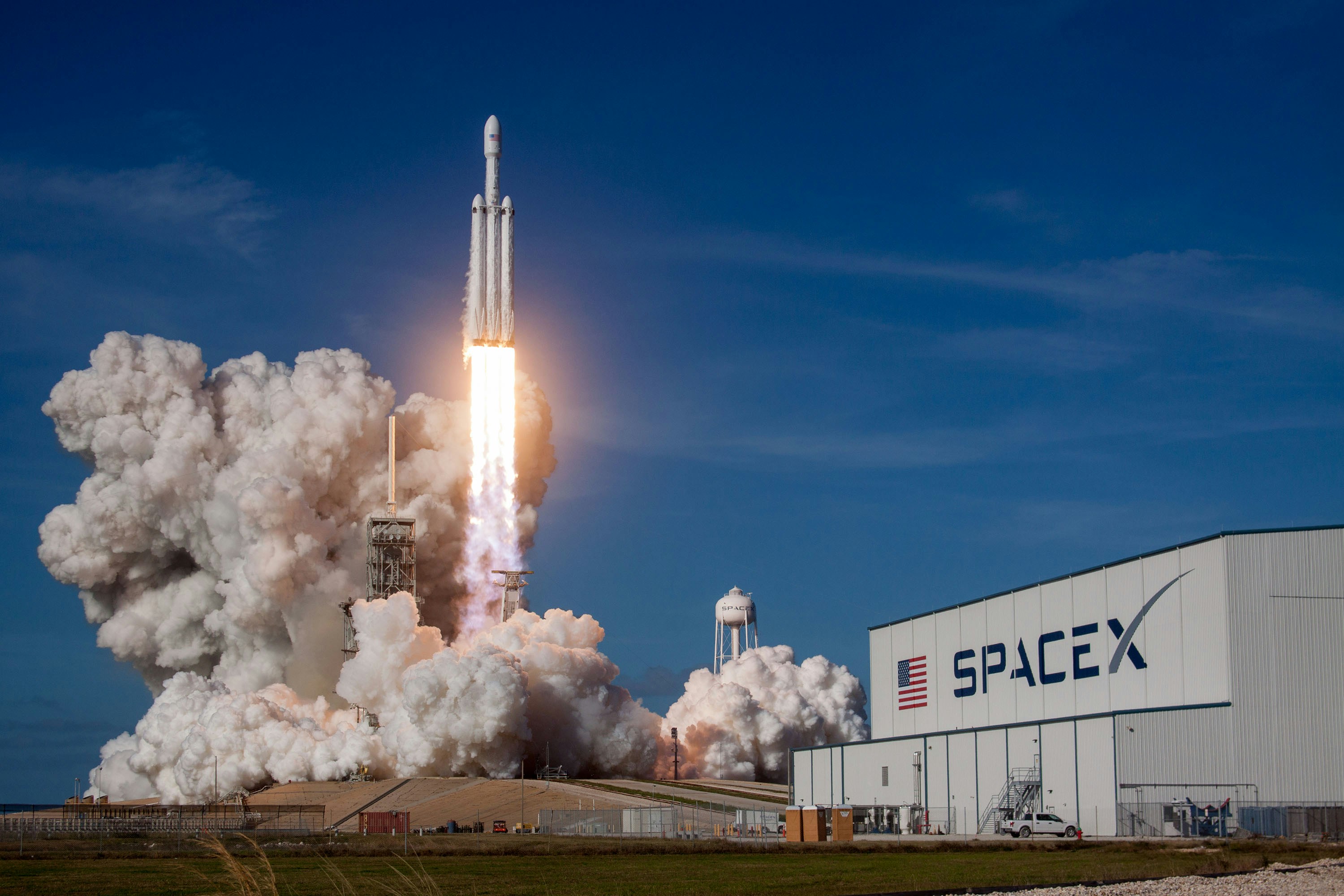
Navigating the Cosmos: How Spacecraft Chart Their Course Without GPS
Space exploration beyond Earth's orbit presents a unique challenge: navigating vast distances without the aid of GPS. Instead, spacecraft rely on a sophisticated suite of techniques to chart their course across millions, even billions, of kilometers. This intricate process, crucial for missions to planets, asteroids, and distant moons, combines radio signals, optical observations, and autonomous systems.
Radio tracking forms the backbone of deep space navigation. Ground-based antennas send radio signals to the spacecraft, which immediately returns them. By measuring the round-trip travel time, engineers calculate the distance with remarkable precision. Doppler tracking, which measures the frequency shift of the radio signal, provides highly accurate velocity data. Triangulation, using antennas at different locations on Earth, further refines the spacecraft's position in three dimensions.
Optical navigation complements radio tracking by providing visual confirmation. Onboard cameras observe stars, planets, and asteroids, comparing these images to onboard star catalogs to determine orientation and location. This method is particularly vital when communication delays make real-time control from Earth difficult.
Autonomous navigation is essential for missions far from Earth, where communication delays are significant. Spacecraft can independently calculate their position and adjust their trajectories using onboard sensors and advanced algorithms. X-ray pulsar navigation, which uses the regular pulses of pulsars as cosmic clocks, is also being tested.
The extreme precision of deep space navigation stems from redundancy and cross-checking. Radio tracking, optical navigation, and autonomous systems constantly verify each other, minimizing errors. Navigation models also account for gravitational influences and other subtle forces that can affect a spacecraft's trajectory. This layered approach allows for kilometer-level accuracy across vast distances, enabling complex missions such as landings and flybys.
BNN's Perspective: The advancements in deep space navigation are a testament to human ingenuity. The ability to guide spacecraft with such precision, without relying on GPS, opens up exciting possibilities for future exploration. As technology continues to evolve, we can expect even more ambitious missions to the far reaches of our solar system and beyond.
Tags: spacecraft navigation, deep space, radio tracking, Doppler tracking, optical navigation, autonomous navigation, pulsars, Deep Space Network, GPS-free, space exploration, trajectory, celestial bodies, antennas, algorithms, missions