Half of AI Job Cuts Will Be Reversed by 2027, Gartner Says. Heres the Real Lesson
3 minute readPublished: Wednesday, June 17, 2026 at 9:00 am
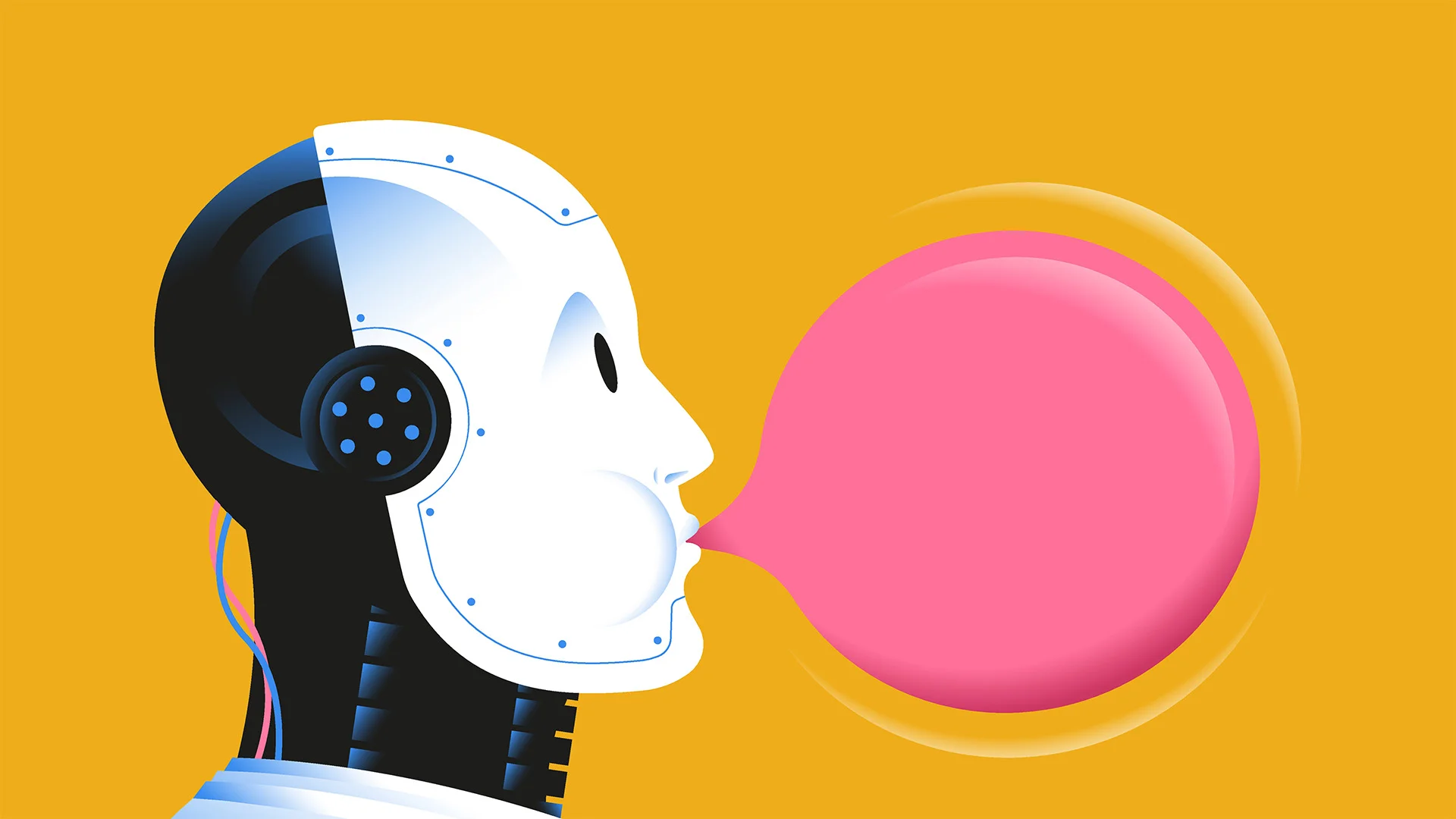
AI Job Cuts: A Reversal and a Lesson in Human Judgment
A significant shift is underway in the corporate world's adoption of artificial intelligence. According to Gartner, half of the jobs eliminated due to AI implementation are expected to be reinstated by 2027. This projection is underpinned by research from Forrester, which found that a majority of employers regret restructuring their workforces for AI. The core issue appears to be a fundamental misunderstanding of AI's capabilities, leading companies to replace roles that require human judgment with systems that excel at information retrieval.
The mistake lies in assuming that AI's ability to access vast amounts of information equates to its capacity for human-like decision-making. Companies have learned that AI, while efficient at handling routine tasks and processing data at unprecedented speeds, cannot replicate the nuanced judgment, empathy, and experience that human employees bring to complex situations. This is particularly evident in customer service, where AI can manage high-volume, straightforward queries but struggles with sensitive issues like fraud disputes, complex billing problems, or emotionally charged customer interactions.
The case of Klarna, a Swedish fintech company, illustrates this point. After claiming significant savings from replacing customer service agents with an AI chatbot, the company publicly acknowledged the continued need for human agents to handle intricate and sensitive cases. They have since begun hiring skilled individuals to address these complex scenarios, recognizing that a human touch is invaluable in certain customer interactions. This reversal highlights the "whipsaw effect" that can occur when companies prematurely automate roles requiring deep experience and then backtrack, potentially impacting employee morale and company culture.
The critical distinction lies between knowledge acquisition and experiential judgment. AI can process information and retrieve policies with remarkable speed, but it lacks the lived experience necessary to make critical decisions in high-pressure situations, rebuild trust after failures, or grant exceptions based on individual circumstances. This "experiential intelligence," built from navigating real-world challenges, is a competitive advantage that cannot be replicated by AI alone.
To navigate this evolving landscape, leaders are advised to conduct thorough audits of AI capabilities, honestly assessing whether automated roles truly require simple task execution or complex judgment. Treating human experience as a valuable infrastructure, recognizing its difficulty to rebuild once lost, is crucial. Furthermore, designing for human-AI teams, where AI handles routine processes and humans manage complex, experience-driven tasks, is identified as the most effective deployment strategy. Ultimately, the lesson is clear: AI is a powerful information system, but information and judgment are distinct, and the latter remains a uniquely human asset.
BNN's Perspective:
The findings from Gartner and Forrester offer a valuable recalibration of expectations surrounding AI in the workplace. While AI's potential for efficiency and data processing is undeniable, this analysis underscores the enduring importance of human judgment, experience, and emotional intelligence. The tendency to equate data access with decision-making capability has led to missteps, and the subsequent reversals highlight a more balanced approach: leveraging AI for its strengths while safeguarding and valuing the unique contributions of human employees. This nuanced perspective suggests a future where AI and humans collaborate, each augmenting the other's capabilities, rather than a wholesale replacement of human roles.
Tags: AI job cuts, Gartner, Forrester, AI adoption, human judgment, experiential intelligence, AI capabilities, human-AI teams, customer service, Klarna, automation, workforce restructuring