Georgia Starts First-Ever Superfund Research Center
3 minute readPublished: Friday, July 17, 2026 at 6:35 pm
Georgia Launches Landmark Superfund Research Center Amidst Community Concerns
A pioneering Superfund research center has been established in Georgia, marking the state's first dedicated effort to investigate and address the environmental and health impacts of hazardous industrial sites. The initiative brings together six universities, including Emory University and Georgia Tech, with a substantial five-year grant of $15 million from the National Institute of Environmental Health Sciences. This collaborative venture aims to scrutinize four hazardous Superfund sites across the state, a concentration noted as unusual.
Residents living near these sites, such as Semona Holmes, have voiced significant concerns about potential contamination affecting their air, soil, and water. Holmes, whose home is located a half-mile from a former pesticide plant designated as a Superfund site, has expressed deep anxieties about the long-term toxicity and the risks posed by flooding. She recounted instances where hurricane-induced flooding transformed her street into a waterway, raising fears about the spread of hazardous materials.
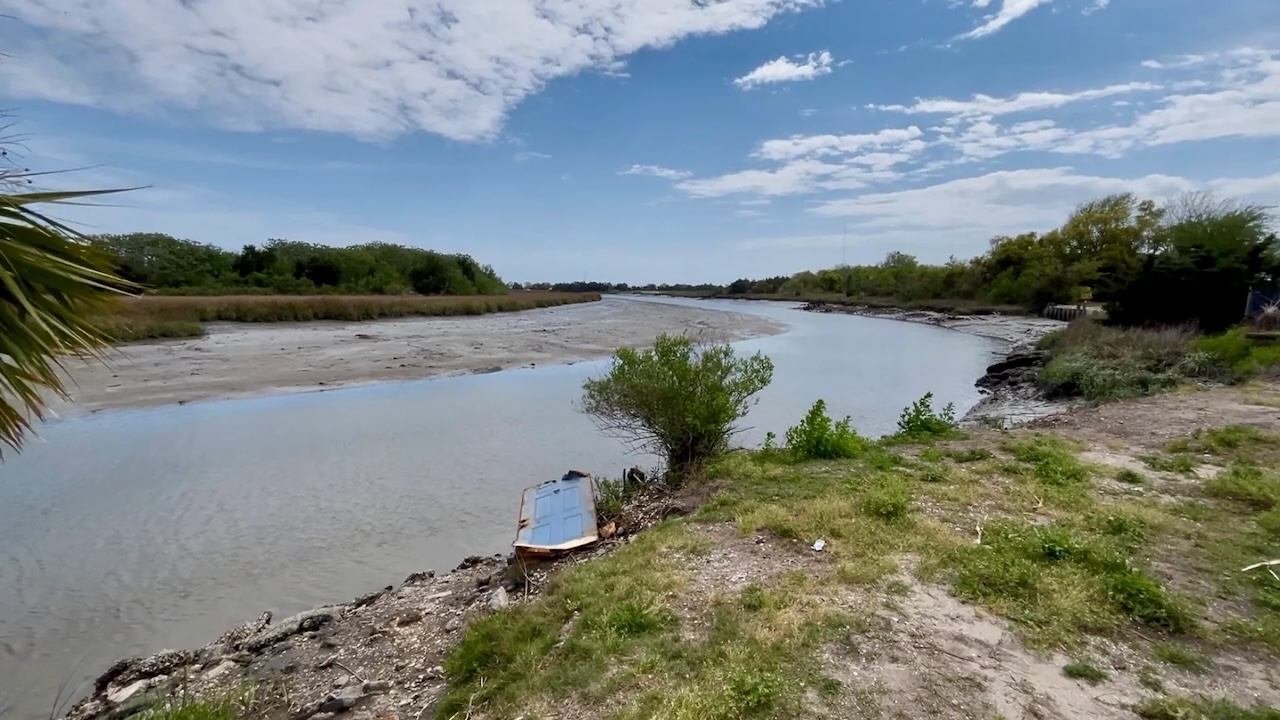
The EPA has acknowledged concerns regarding the Terry Creek Dredge Spoils/Hercules Outfall Superfund site, identifying toxaphene, a chlorinated pesticide, as the primary contaminant. While remedial actions, including backfilling an old outfall ditch and constructing a new conveyance structure, are complete, the agency is proceeding with a remedial investigation of dredge spoils in nearby creeks. The EPA also highlighted that the new conveyance channel offers protection against rising sea levels and storm surges, with measures like coastal hardening and the placement of clean fill over remaining sediments. Regular inspections are planned to monitor for erosion.
The research center's objectives, as outlined by an Emory professor, are twofold: to understand the health effects of past chemical exposures and to develop strategies for reducing future exposures. Researchers will investigate the links between hazardous materials at these former industrial sites and potential health outcomes, employing environmental sampling to identify areas where individuals may have been exposed to contaminants. A critical component of the research will involve modeling the impact of severe weather events, such as rising tides and powerful storms, which could exacerbate the spread of contaminants into surrounding communities. The potential for flooding to breach containment measures at these sites is a significant concern, raising questions about the extent of past exposure for residents like Holmes.
BNN's Perspective: The establishment of this research center represents a crucial step forward in addressing the legacy of industrial contamination. By pooling academic expertise and securing significant funding, Georgia is demonstrating a commitment to understanding and mitigating the risks posed by Superfund sites. The focus on both past exposures and future prevention, coupled with the consideration of climate change impacts, offers a comprehensive approach. While the EPA's ongoing remedial actions are noted, the community's persistent concerns underscore the vital role of independent research in providing transparency and reassurance. This initiative holds the potential to not only improve environmental conditions but also to foster greater public trust and well-being in affected areas.
Tags: Superfund, research center, Georgia, Brunswick, EPA, contamination, pesticide plant, hazardous sites, Emory University, Georgia Tech, toxaphene, flooding, health effects, environmental sampling, severe weather, rising sea levels, storm surges, coastal hardening