Garcia Claims Californias Steep Gas Prices Are Deliberate, Not Inevitable
3 minute readPublished: Wednesday, October 29, 2025 at 11:46 am
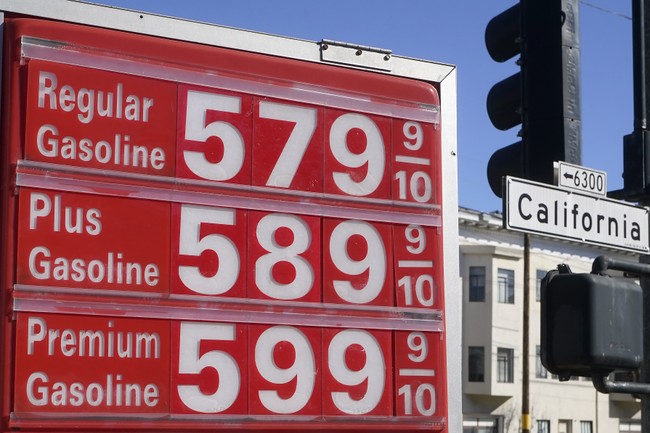
California Gas Prices Soar, Fueling Debate Over State Policies
California drivers are facing significantly higher gasoline prices compared to the national average, sparking renewed debate over state policies. According to recent reports, the average price per gallon in California has reached $4.66, a substantial $1.50 more than the national average. A key factor contributing to this disparity is the state's gasoline excise tax.
As of July 1, 2024, California's state excise tax on gasoline is 61.2 cents per gallon. This tax is automatically adjusted annually based on inflation, leading to incremental increases each year unless the state legislature intervenes. This tax rate is considerably higher than in neighboring states, such as Arizona, where the excise tax is only 18 cents per gallon. This difference encourages drivers to fill up their tanks outside of California to save money.
The automatic nature of the tax increases is a primary concern. The current law ties the excise tax rate to inflation, meaning Californians can expect yearly hikes unless the legislature takes action. Critics argue that these rising costs disproportionately affect working families, particularly those with long commutes. Economists have long warned that per-gallon taxes on essentials are regressive, placing a heavier burden on lower-income drivers.
While proponents of the current system argue that high taxes fund essential infrastructure, critics point to the state's highway performance rankings. Studies show that states with lower gas taxes, such as North Carolina and Tennessee, often achieve higher rankings in highway performance compared to California, despite California's significantly higher tax rate. This suggests that how funds are allocated may be more critical than the total amount collected.
BNN's Perspective: The debate over California's gas prices highlights the complex interplay between taxation, infrastructure spending, and the economic well-being of residents. While funding for road maintenance is essential, the current system's automatic tax increases and the state's highway performance raise questions about the effectiveness and fairness of the current approach. Policymakers should carefully consider the impact of these taxes on working families and explore alternative funding models that prioritize both infrastructure improvements and affordability.
Keywords: California gas prices, gasoline excise tax, state tax, inflation, highway performance, fuel costs, tax increase, infrastructure spending, economic impact, working families