Forsake Some, Fleece the Rest
3 minute readPublished: Wednesday, December 31, 2025 at 10:36 pm
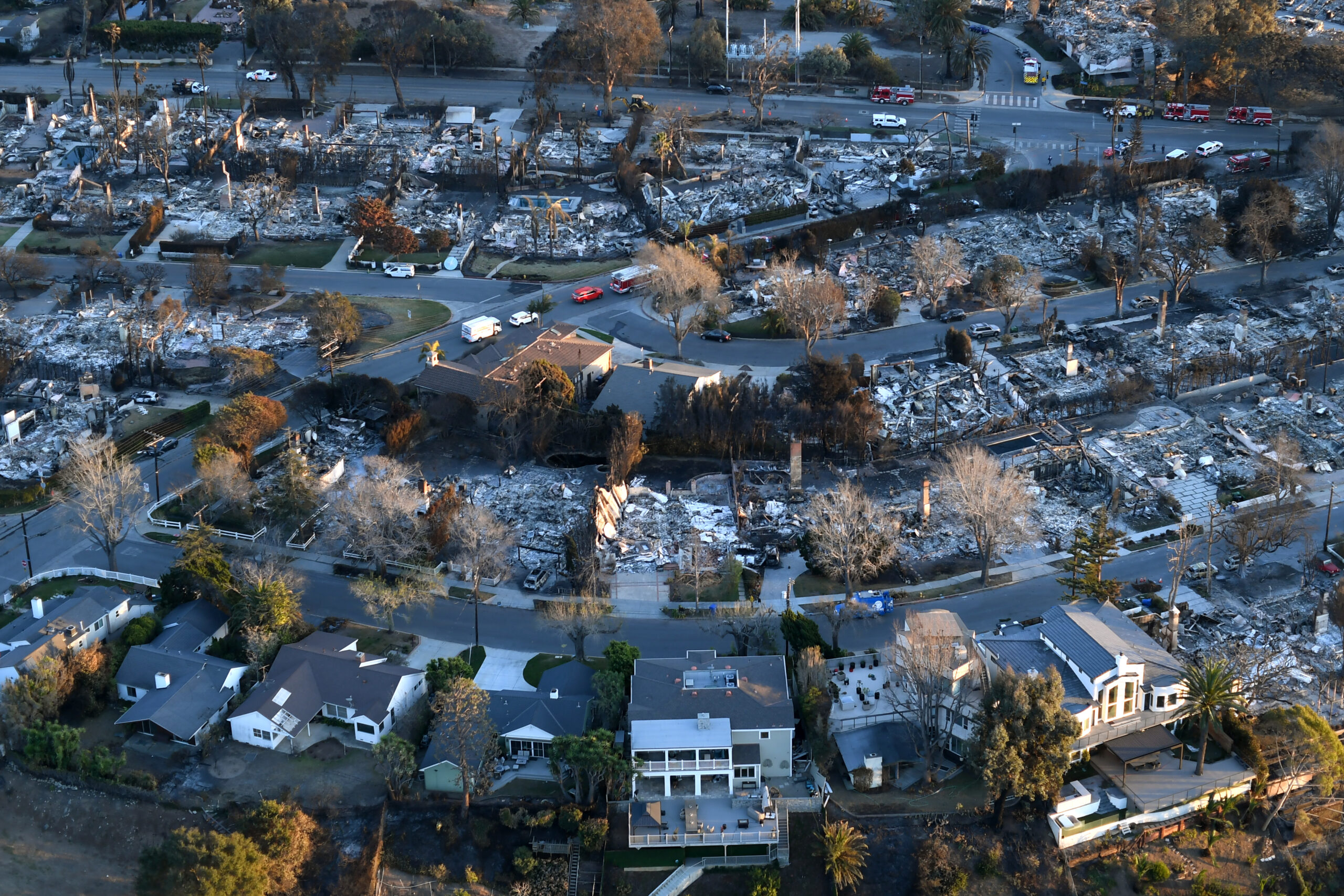
U.S. Home Insurers Adjusting to Climate Change Realities
U.S. home insurers are grappling with the escalating impacts of climate change, leading to significant shifts in how they assess risk and price coverage. Faced with increasing extreme weather events and associated damages, these companies are employing proprietary risk assessment models to adjust their strategies.
The core of the issue revolves around how insurers are responding to the growing financial burden of climate-related disasters. The text suggests that insurers are taking steps to manage their exposure, which includes limiting coverage in certain areas and raising premiums. The specific details of these adjustments, including the precise methodologies used to assess risk, are not fully transparent. The text implies that the models used are "black-box" projections, meaning the underlying calculations and data are not readily available for public scrutiny.
This shift in the insurance landscape raises important questions about fairness and accessibility. As insurers refine their risk assessments, homeowners in areas deemed high-risk may face higher premiums or even difficulty securing coverage. This could disproportionately affect vulnerable populations and communities already struggling with economic challenges. The text highlights the potential for a two-tiered system, where some homeowners are effectively "forsaken" by insurers, while others experience increased financial burdens. The implications of these changes extend beyond individual homeowners, potentially impacting local economies and the overall stability of housing markets. The text does not provide any specific examples of the areas or the types of coverage affected.
BNN's Perspective:
The adjustments by home insurers to climate change risks are a complex issue. While it is understandable that insurers must adapt to protect their financial stability, it is crucial that these changes are implemented transparently and fairly. Policymakers and regulators should carefully monitor the situation to ensure that homeowners are not unduly penalized and that access to affordable insurance remains available, especially in areas most vulnerable to climate-related disasters.
Keywords: home insurers, climate change, risk assessment, premiums, coverage, extreme weather, damages, insurance, homeowners, financial burden