EU's foreign policy chief says a Europe-wide army could be 'extremely dangerous'
3 minute readPublished: Monday, February 2, 2026 at 12:29 pm
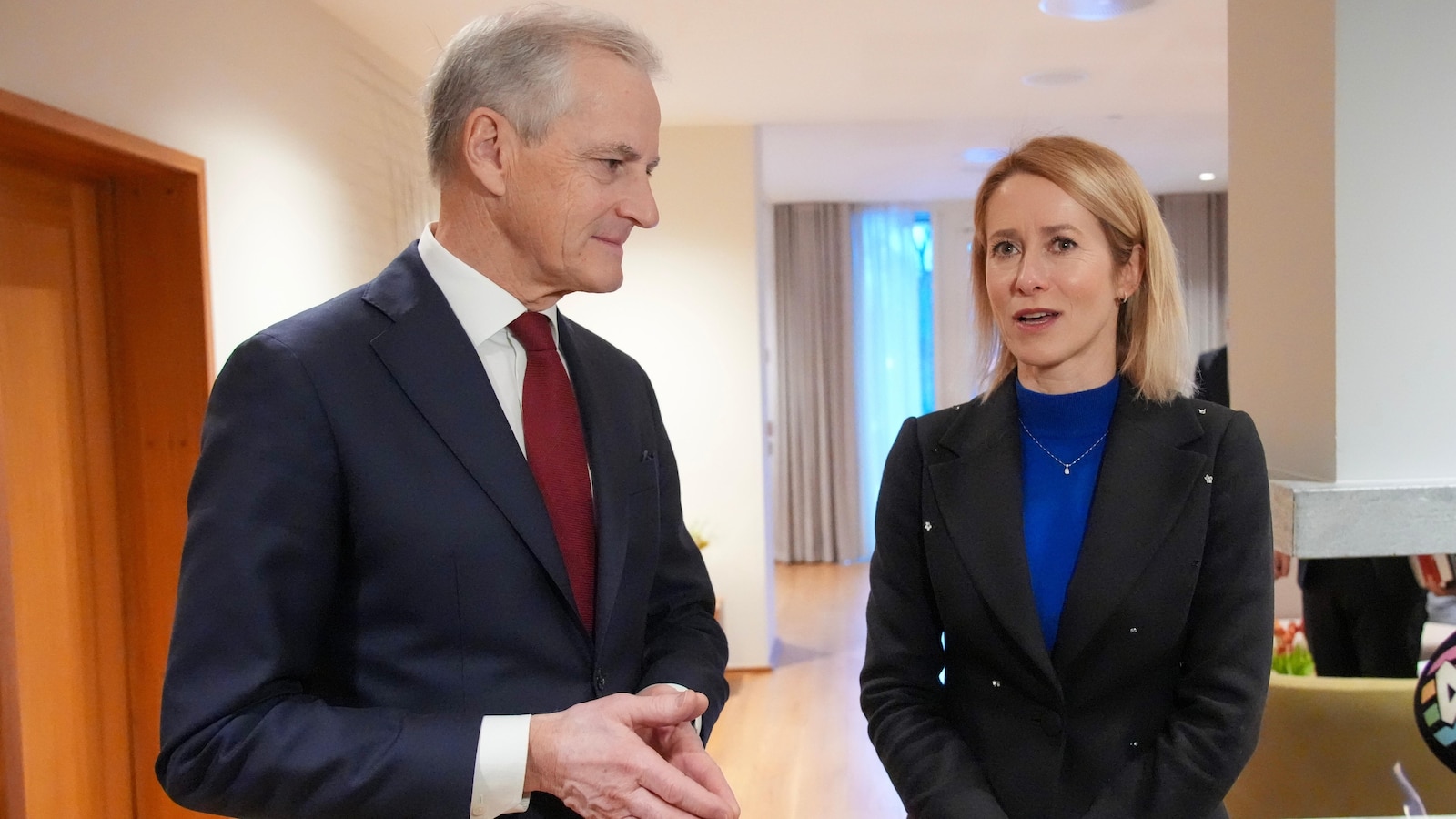
EU Foreign Policy Chief Dismisses European Army Proposal
BRUSSELS – The European Union's foreign policy chief, Kaja Kallas, has voiced strong opposition to the creation of a Europe-wide army. Speaking on Monday, Kallas cautioned that such a force could be "extremely dangerous" as the EU explores options for its own security. The discussion around a European army has gained traction amidst concerns about the United States' commitment to European defense, particularly following warnings from the US about shifting priorities.
Kallas, addressing a security conference in Norway, argued that the establishment of a separate European army alongside NATO would create a problematic overlap in the chain of command. She emphasized the critical importance of a clear and unified command structure during times of crisis, suggesting that the existence of two distinct military entities could lead to confusion and inefficiency.
Echoing Kallas's concerns, Norway's Prime Minister Jonas Gahr Stre also rejected the idea of a European army. Stre highlighted the existing complexities within NATO's decision-making processes, but emphasized the alliance's established operational capabilities.
NATO Secretary-General Mark Rutte has also weighed in on the debate, stating that Europe is currently incapable of defending itself without U.S. military support. Rutte indicated that Europe would need to significantly increase its military spending to achieve self-sufficiency. He underscored the mutual reliance between Europe and the United States in matters of defense.
BNN's Perspective:
The debate over a European army highlights the evolving dynamics of global security. While the desire for greater European autonomy is understandable, the practical challenges and potential risks associated with creating a separate military force warrant careful consideration. A pragmatic approach would prioritize strengthening existing alliances and fostering greater cooperation within NATO, while simultaneously addressing the need for increased European defense capabilities.
Keywords: European army, Kaja Kallas, NATO, defense, security, military spending, Jonas Gahr Stre, Mark Rutte, EU, foreign policy, chain of command, United States, military support, alliance