Ebola outbreak risks becoming 'deadliest on record,' IRC warns
3 minute readPublished: Tuesday, May 26, 2026 at 2:00 pm
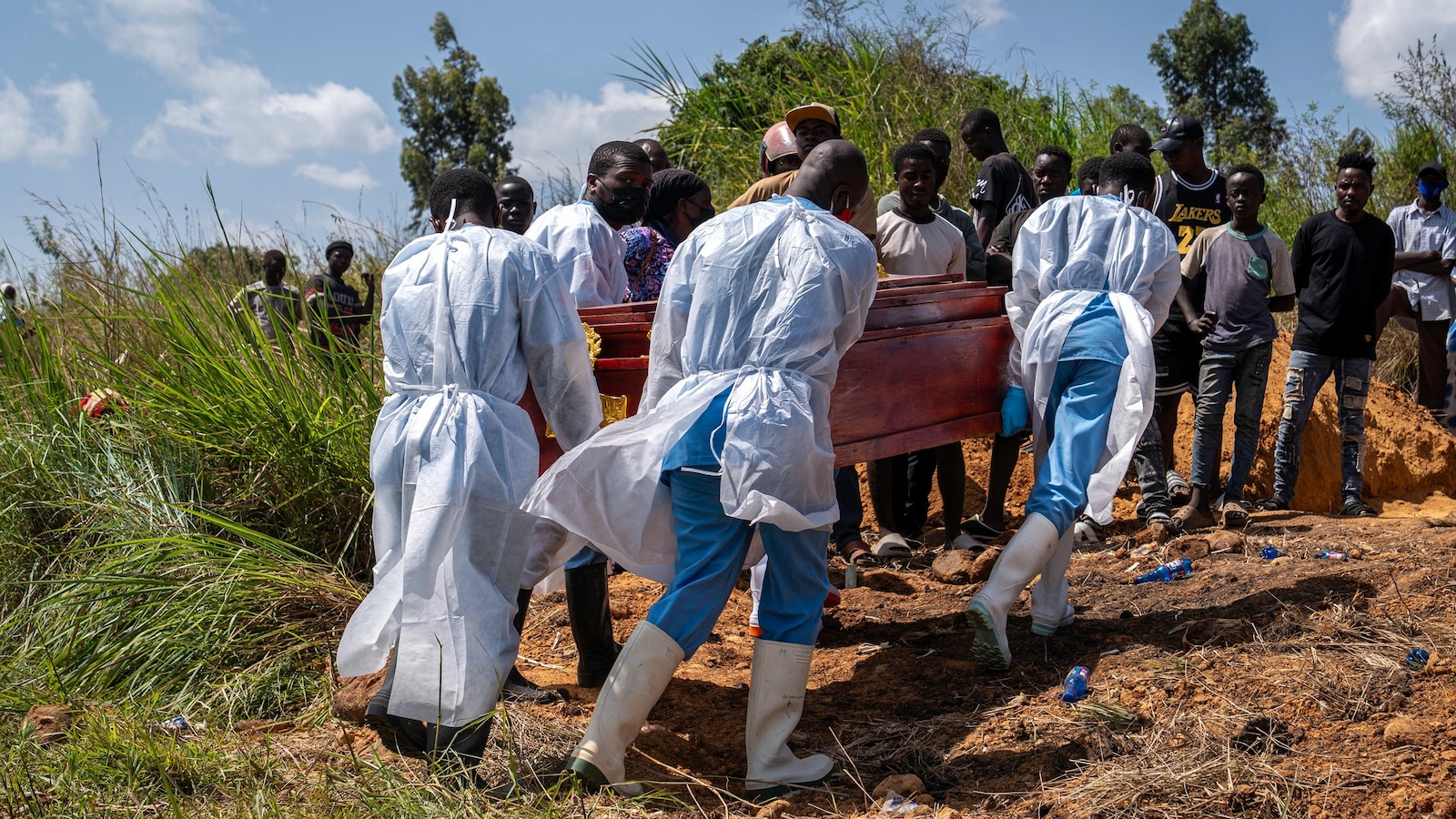
Ebola Outbreak in DRC and Uganda Escalates, Risks Becoming Deadliest on Record
LONDON – The International Rescue Committee (IRC) has issued a stark warning regarding the ongoing Ebola outbreak in the Democratic Republic of the Congo (DRC) and Uganda, stating it is spreading faster than containment efforts can manage. The organization fears this could become the deadliest Ebola outbreak on record without immediate international intervention.
The IRC highlights the alarming expansion of the outbreak beyond its initial epicenter in the DRC's northeastern province of Ituri. The virus is now reaching major regional hubs, including Goma, a significant city in the DRC, and Kampala, the capital of Uganda. This spread raises concerns about a much wider transmission.
The IRC reports over 900 suspected cases and at least 223 deaths across the DRC and Uganda. The organization attributes the rapid spread to factors such as conflict, mass displacement, and reduced international aid, which have weakened health systems. The IRC notes that health systems are weaker than during the 2018-2020 outbreak.
The current outbreak is caused by the Bundibugyo virus, a rare Ebola variant. There are no approved vaccines or therapeutics for this variant, and it requires different diagnostics. Case fatality rates for previous Bundibugyo outbreaks have ranged from 30% to 50%.
The IRC is calling for urgent action, including an emergency international funding surge, the appointment of a United Nations emergency coordinator, faster import approvals for medical supplies, stronger community outreach, special protection for women and girls, and long-term investment in fragile health systems.
The World Health Organization (WHO) has classified the outbreak as a public health emergency of international concern. The WHO continues to consider the national risk assessment as "very high" while the regional level risk remains "high" and the global risk level remains "low."
Multiple countries, including the U.S., have implemented travel restrictions in response to the outbreak. The U.S. has restricted entry for foreign travelers who have recently been in the DRC, Uganda, and South Sudan. U.S. citizens returning from these countries are subject to screening.
WHO chief Dr. Tedros Adhanom Ghebreyesus has stated the outbreak "will get worse before it gets better," but expressed confidence in the ability to contain the virus.
BNN's Perspective: The situation demands a coordinated global response. While the WHO's classification and the IRC's warnings are concerning, the international community must prioritize providing resources and support to the affected regions. A balance between necessary travel restrictions and avoiding undue economic disruption is crucial. The focus should be on containing the outbreak while addressing the underlying issues that have weakened health systems and fueled the spread.
Tags: Ebola, DRC, Uganda, outbreak, Bundibugyo virus, IRC, WHO, Goma, Kampala, travel restrictions, public health emergency, international concern, Tedros Adhanom Ghebreyesus, health systems, containment, international aid.