Down with tactical rocks
3 minute readPublished: Friday, June 26, 2026 at 2:58 am
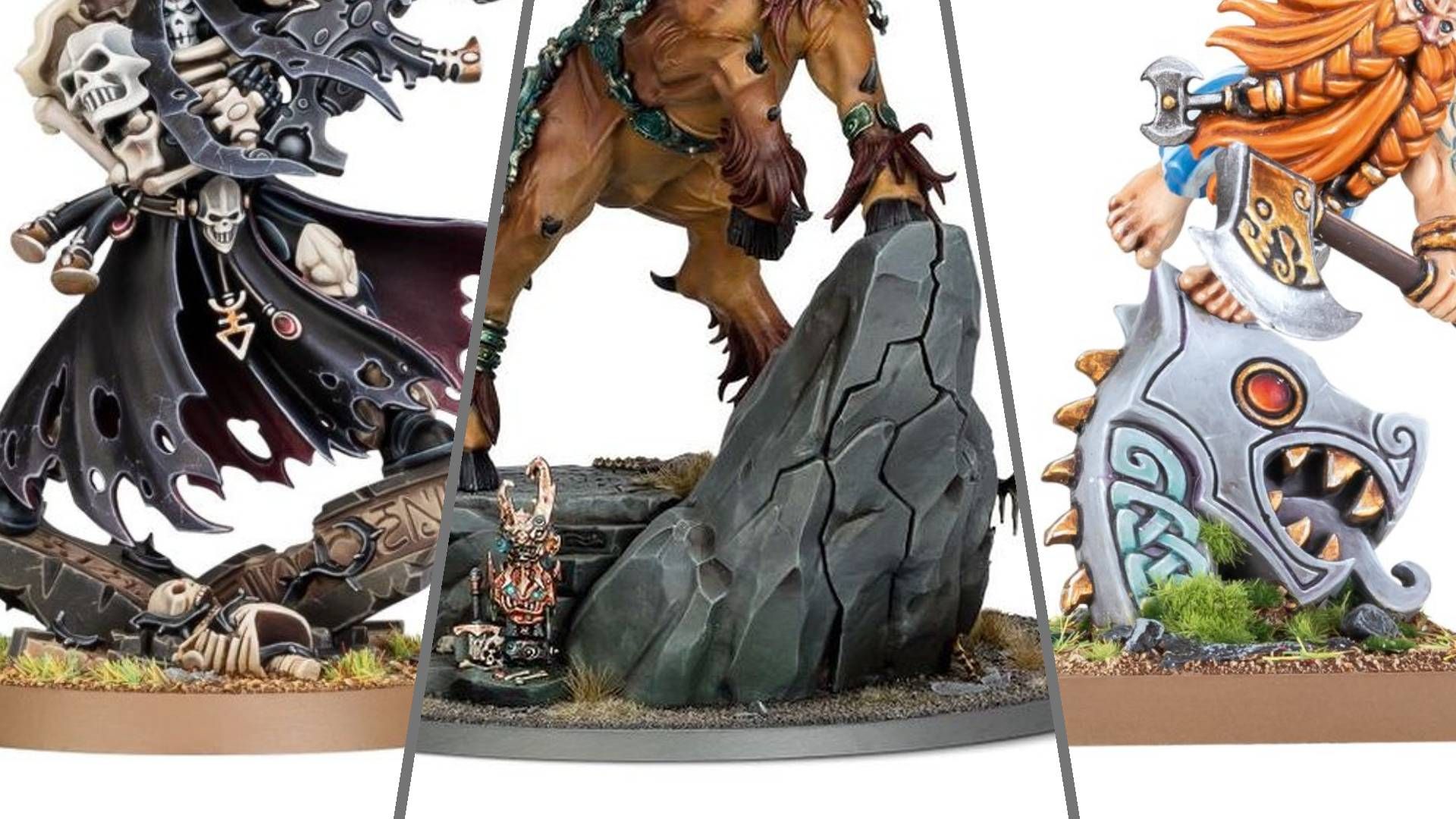
Miniature Mayhem: The Rise of the Ridiculous "Tactical Rock"
What began as a subtle enhancement for miniature wargaming figures has spiraled into an absurd trend, with manufacturers increasingly placing their figures on elaborate, gravity-defying bases. Once intended to subtly elevate important characters and make them more visible on the tabletop, these "tactical rocks" have evolved into increasingly ostentatious displays that critics argue detract from the figures themselves.
The original concept was straightforward: a small rock or ruin to give a commander or hero a more imposing presence. Examples include early miniatures like Orikan the Diviner or a Chaos Terminator Lord, whose stature was already sufficient but benefited from a minor elevation. However, over the past decade, the scale and complexity of these bases have escalated dramatically. Figures are now depicted mid-leap from fallen statues, straddling multiple rocks simultaneously, or precariously balanced on piles of rubble.
This trend is particularly prevalent in the Warhammer universe, where Games Workshop, the manufacturer, has seemingly embraced the absurdity. The company even ran an April Fool's joke about a life-sized tactical rock, highlighting the pervasive nature of the phenomenon. While other companies also offer such bases, Warhammer's commitment to increasingly dramatic and often impractical designs has made it a focal point of criticism.
The intended effect of conveying importance has been lost, replaced by poses that critics describe as looking more like a rock concert than a battlefield. Figures meant to represent powerful beings, like Kragnos, the End of Empires, are depicted as needing artificial support to appear significant, a notion deemed unnecessary for a god-like entity. Similarly, attempts to simulate flight with these elaborate bases have resulted in figures appearing to collide with metallic spars or step in unseen obstacles, a far cry from the clean aesthetic of traditional transparent flight stands.
While acknowledging the triviality of this complaint in the grand scheme of things, proponents of a more grounded aesthetic argue that these elaborate bases are a crutch. They prefer to distinguish their key figures through more subtle means, such as unique color schemes or banners, rather than relying on a stack of plastic debris. Beyond aesthetics, these oversized bases can also increase fragility and complicate storage and transport, making the hobby more cumbersome. Ultimately, the argument is that these "tactical rocks" have become an unnecessary and often comical addition that detracts from the figures they are meant to enhance.
BNN's Perspective: While the debate over miniature bases might seem niche, it touches on a broader discussion about design intent versus execution. The evolution from subtle elevation to elaborate, often impractical, displays raises questions about whether manufacturers are truly serving the hobbyist's desire for clear, functional, and aesthetically pleasing miniatures, or simply chasing trends that prioritize visual spectacle over practicality and artistic restraint. A balanced approach, where bases enhance rather than overwhelm the figures, would likely be welcomed by a significant portion of the wargaming community.
Tags: miniature wargaming, tactical rocks, Games Workshop, Warhammer, figure bases, hobby trends, miniature design, tabletop gaming, fantasy miniatures, sci-fi miniatures