Coastal sea levels may be higher than previously thought, study says
3 minute readPublished: Wednesday, March 4, 2026 at 5:06 pm
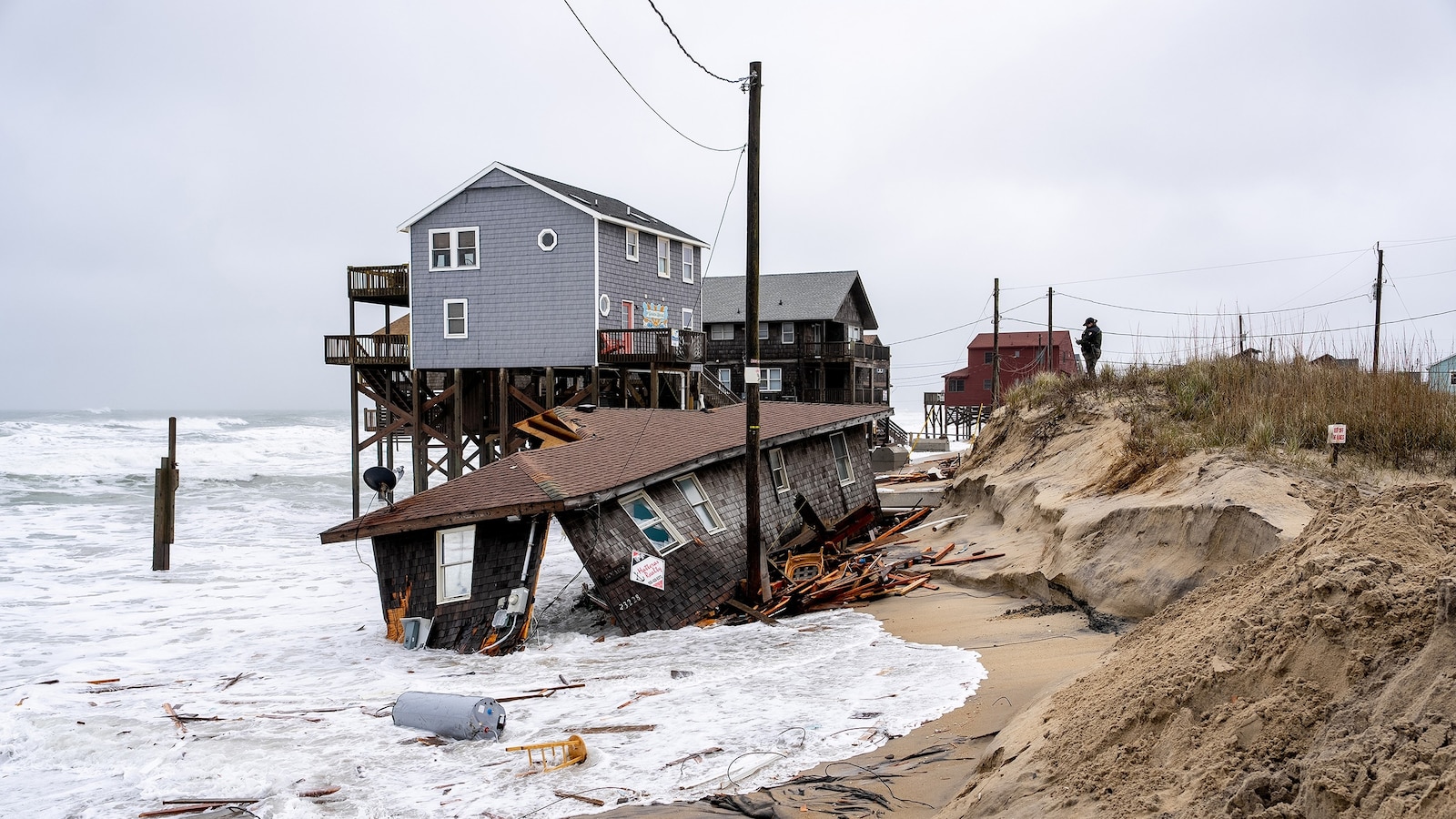
New Study Suggests Coastal Sea Levels May Be Higher Than Previously Estimated
A new study published in *Nature* suggests that coastal sea levels around the world may be significantly higher than previously understood. The research indicates that past studies may have underestimated coastal sea-level heights by an average of 0.3 meters, or about 1 foot. In some regions, particularly in the Global South, sea levels could be as much as 3 feet higher than previously assumed.
The study, conducted by researchers from Wageningen University & Research in the Netherlands, analyzed hundreds of peer-reviewed scientific papers on coastal exposure and hazard impact assessments. The researchers found that a majority of these studies relied on assumed sea levels based on gravitational models rather than direct measurements of sea-level height. These models, which account for gravity and Earth rotation, often fail to consider factors like tides, currents, and winds, which significantly impact local sea levels.
The underestimation of sea levels was particularly pronounced in areas like Southeast Asia, the South Pacific, Latin America, and parts of North America, Africa, the Middle East, and the Indo-Pacific. The new estimates suggest that up to 37% more land could be below sea level, potentially impacting between 77 million and 132 million people globally.
The study also highlights the importance of considering coastal subsidence, or the sinking of land, in flood models. A separate 2024 study cited in the research found that the inundation coastal regions will experience due to rising sea levels may actually be worse than previously thought when factoring in how rapidly the land is sinking. Major cities, such as Boston, New Orleans, and San Francisco, are among those that could experience increased flooding in the near future due to land elevation changes combined with sea level rise.
The findings underscore the need for a re-evaluation of existing methods used to assess the impact of sea-level rise. The researchers emphasize that this has implications for policymakers, climate finance, and coastal adaptation plans.
BNN's Perspective:
This study serves as a critical reminder of the complexities of climate change and its impact on coastal communities. While the findings are concerning, they also highlight the need for more accurate data and improved modeling techniques. It is crucial that policymakers and stakeholders take these new estimates into account when developing adaptation strategies and allocating resources to mitigate the effects of rising sea levels. A balanced approach that considers both the scientific evidence and the economic realities of coastal communities is essential.
Keywords: sea level rise, coastal flooding, climate change, sea level, coastal regions, global south, climate research, coastal subsidence, flood models, adaptation plans, climate finance, coastal communities, rising sea levels, inundation, gravitational models, geoids, Southeast Asia, South Pacific, Latin America, North America, Africa, Middle East, Indo-Pacific