Chinese Spacecraft Approaches Mysterious Object Near Earth
3 minute readPublished: Monday, July 13, 2026 at 12:03 am
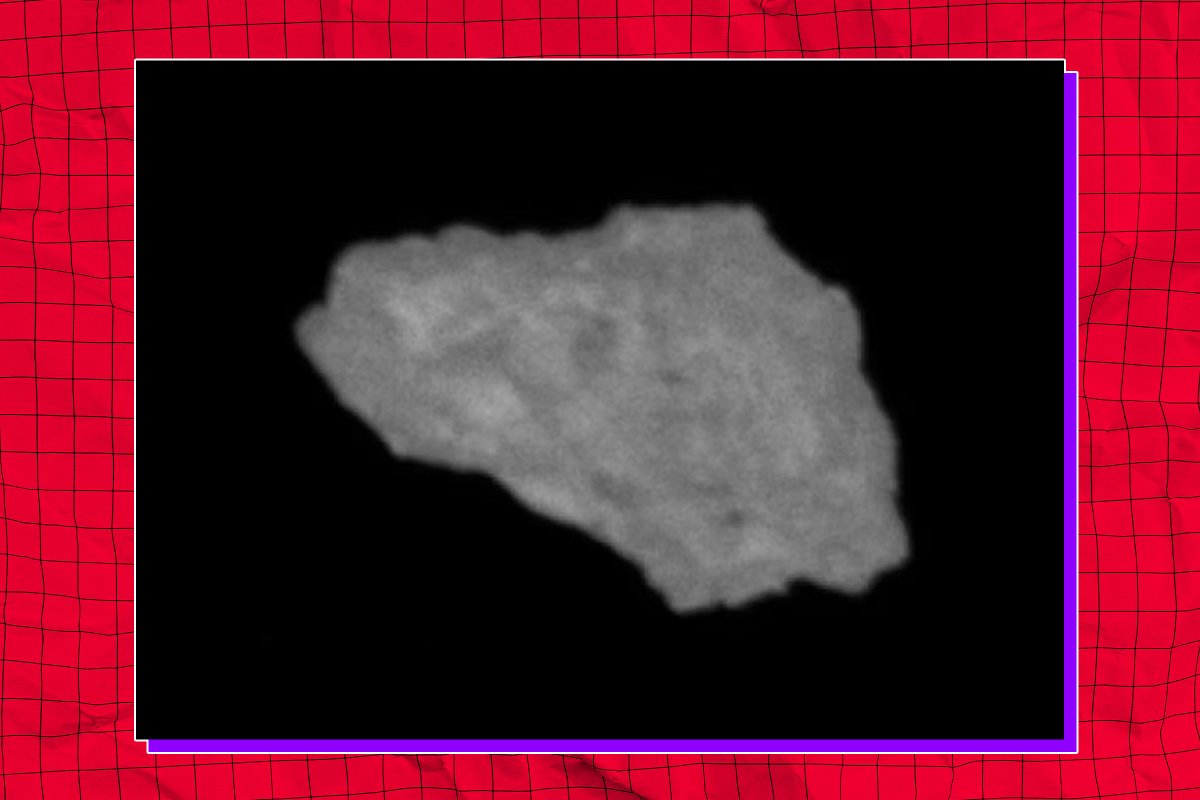
China's Tianwen-2 Spacecraft Nears Asteroid Kamooalewa, Paving Way for Unprecedented Sample Return
China is making significant strides in its ambitious space program, with its Tianwen-2 spacecraft now in close proximity to Kamooalewa, one of Earth's seven known quasi-moons. This mission marks a historic moment, positioning China as the first nation to approach this enigmatic celestial body.
Launched in May of 2025, the Tianwen-2 probe has traveled approximately 620 million miles over 400 days to reach Kamooalewa. Currently within 12.5 miles of the asteroid's surface, the spacecraft is poised to capture the first clear images of the object. Kamooalewa, a small asteroid measuring only a few dozen feet in diameter, presents a unique challenge for space exploration due to its diminutive size and rapid rotation, completing a full spin roughly every half hour.
The Tianwen-2 mission aims to spend an extended period, nearly a year, orbiting Kamooalewa. During this time, the spacecraft will meticulously gather data on the asteroid's composition and structure. A key objective of the mission is to collect surface samples, employing innovative techniques such as anchor-and-attach and touch-and-go methods. If successful, China will join a select group of nations capable of retrieving asteroid samples. Furthermore, the anchor-and-attach method, which involves the spacecraft securing itself to the asteroid before drilling, could represent a novel approach to sample collection.
The challenges inherent in this mission are considerable. Kamooalewa's small size and rapid spin necessitate extreme precision and delicate maneuvering from the nearly two-ton Tianwen-2 probe to avoid altering the asteroid's trajectory. The mission's developers face the task of executing months of carefully calculated actions to ensure successful sample acquisition.
Kamooalewa was first identified in 2016 and is classified as a quasi-moon, an object that orbits Earth but is too distant to be considered a traditional moon. Its exact weight remains unknown, a detail that Tianwen-2 is expected to help determine. The mission underscores China's growing capabilities and its commitment to pushing the boundaries of space exploration, solidifying its position as a major player in the global space arena.
BNN's Perspective: China's advancement in space exploration, exemplified by the Tianwen-2 mission, highlights the accelerating pace of international competition and cooperation in this critical domain. The successful retrieval of samples from an object as small and rapidly rotating as Kamooalewa would represent a significant technological achievement, demonstrating considerable ingenuity and precision. Such endeavors, while complex, offer invaluable scientific insights and underscore the importance of continued investment in space research and development for all nations.
Tags: Chinese spacecraft, Tianwen-2, Kamooalewa, quasi-moon, asteroid, sample return, space exploration, China space program, orbital space station, reusable rocket boosters