But first, coffee: The drink that energized the American Revolution
3 minute readPublished: Friday, July 3, 2026 at 9:00 am
Coffee: The Unsung Hero of American Independence?
As the United States approaches its 250th anniversary, a closer look at the nation's early history reveals that coffee, not just tea, played a pivotal role in shaping the spirit of revolution. While the Boston Tea Party is often cited as the catalyst for a shift away from tea, historical accounts suggest coffee was already deeply ingrained in colonial life and served as a vital social and intellectual lubricant for the burgeoning independence movement.
European colonists brought coffee with them, and its presence dates back to the Mayflower in 1620, where evidence of coffee grinding has been documented. By the 17th century, Amsterdam was a major coffee trading hub, and many early American settlers hailed from this region. The first colonial coffeehouse opened in Boston in 1676, a full century before the Declaration of Independence, though some taverns were serving coffee even earlier.
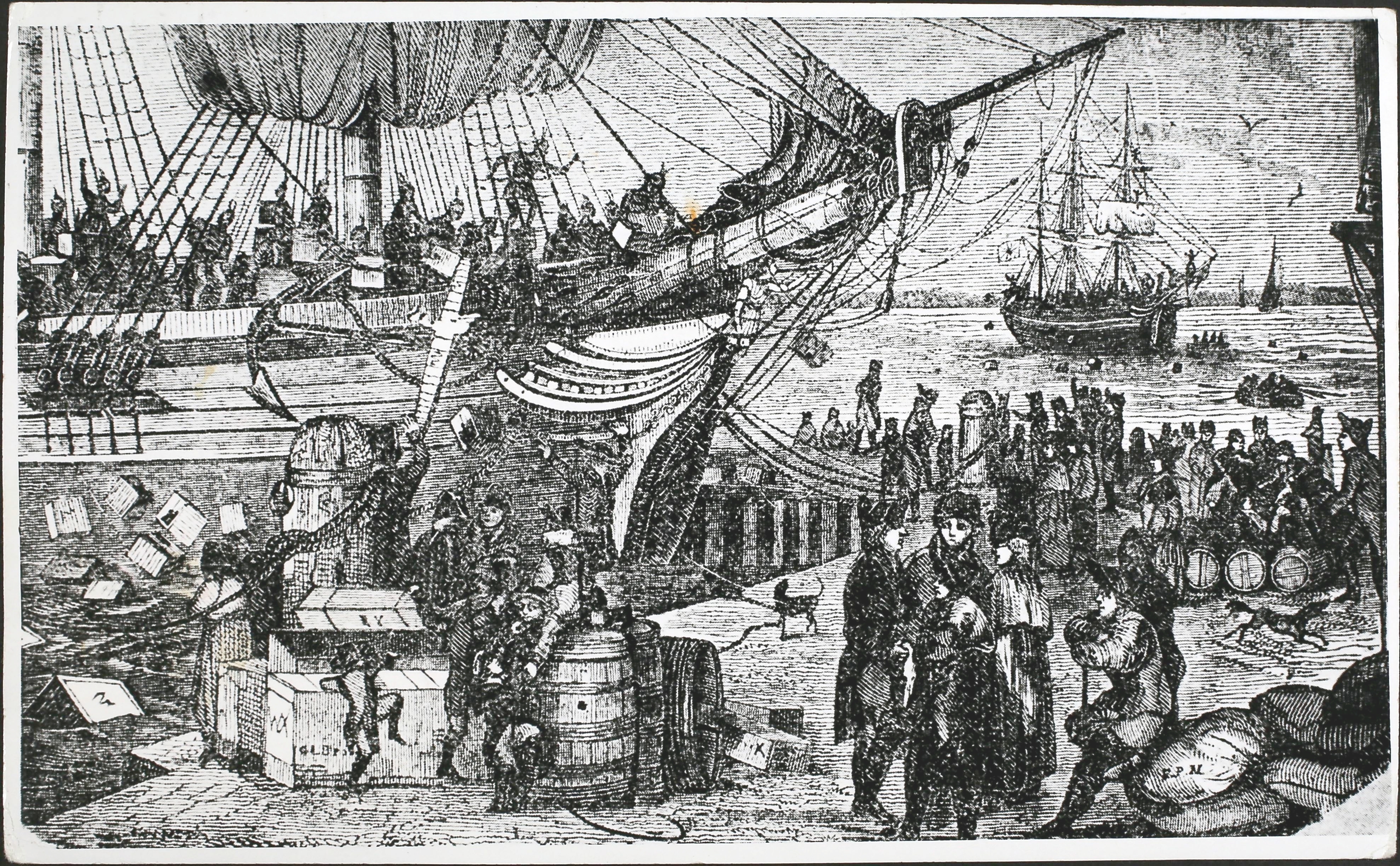
The dramatic narrative of the Boston Tea Party, where over 92,000 pounds of tea were dumped into Boston Harbor in protest of British taxation and the East India Company's monopoly, is often presented as the turning point that propelled Americans to embrace coffee. While some patriots did advocate for renouncing tea in favor of coffee to foster solidarity, historical analysis suggests this was more of a symbolic gesture than a wholesale shift. John Adams, in a letter to his wife Abigail, famously recounted his decision to drink coffee after being offered it as an alternative to taxed tea. However, research into advertisements from the 1760s and 70s indicates that coffee was already more widely available and, crucially, cheaper than tea, making it accessible to a broader segment of the population.
The affordability of coffee was a significant factor in its widespread consumption. Historians note that official records from the colonial era are inconsistent, and rampant smuggling of both tea and coffee from sources like the Dutch and French Caribbean further complicates direct comparisons of consumption. It's also suggested that public declarations of abandoning tea for coffee might have been politically motivated, with individuals potentially still consuming tea from alternative, untaxed sources.
Beyond its accessibility, coffeehouses emerged as crucial intellectual hubs. Dubbed "penny universities" in Britain, these establishments in the colonies served as gathering places for merchants, traders, and thinkers. They were spaces for discussing politics, business, and current events, fostering the very ideas that would fuel the revolution. The Green Dragon coffeehouse, for instance, was a site for planning the Boston Tea Party, and the Old London Coffeehouse in Philadelphia was a meeting point for strategizing against the Stamp Act. These establishments provided access to business directories, newspapers, and even currency exchange, making them vital centers of information and discourse.
While taverns also served beverages and offered lodging, coffeehouses cultivated a distinct atmosphere conducive to clear-headed debate and business dealings, often excluding women, unlike the more convivial taverns.
The increasing globalization of trade made both coffee and tea affordable luxuries by the time of the Revolution. Coffee was largely sourced from the Caribbean, and tea from China, with trade and imperialism facilitating their widespread distribution. This global market also spurred demand for associated paraphernalia, from mahogany tables to porcelain teapots and silver coffeepots.
However, the rise of coffee in America is intertwined with a darker history. The plantations that supplied the crop often relied on the brutal labor of enslaved people. By 1790, a significant portion of the world's coffee was grown in Saint-Domingue (modern-day Haiti), a colony notorious for the mistreatment, rape, and murder of its enslaved population. This presents a profound contradiction: the beverage that fueled the ideals of liberty and independence was, in part, produced through enslavement.
BNN's Perspective:
The narrative surrounding coffee's role in the American Revolution offers a nuanced perspective on a pivotal period in history. While the Boston Tea Party remains an iconic symbol of defiance, it's clear that coffee was already a significant part of colonial life, serving as both an accessible commodity and a vital catalyst for intellectual exchange. The story of coffee's rise is not just about a beverage; it's about the complex interplay of economics, social dynamics, and the very ideas that underpinned the formation of a new nation. Recognizing the dual nature of coffee's history, acknowledging both its role in fostering revolutionary thought and its connection to the abhorrent practice of slavery, provides a more complete and honest understanding of America's past.
Tags: American Revolution, coffee, tea, Boston Tea Party, colonial era, independence, coffeehouses, John Adams, Mayflower, taxation, British East India Company, Tea Act, smuggling, enslaved people, globalization, trade, penny universities