Betty Boop Enters the Public Domain, but Only as a Dog
3 minute readPublished: Thursday, January 1, 2026 at 1:00 pm
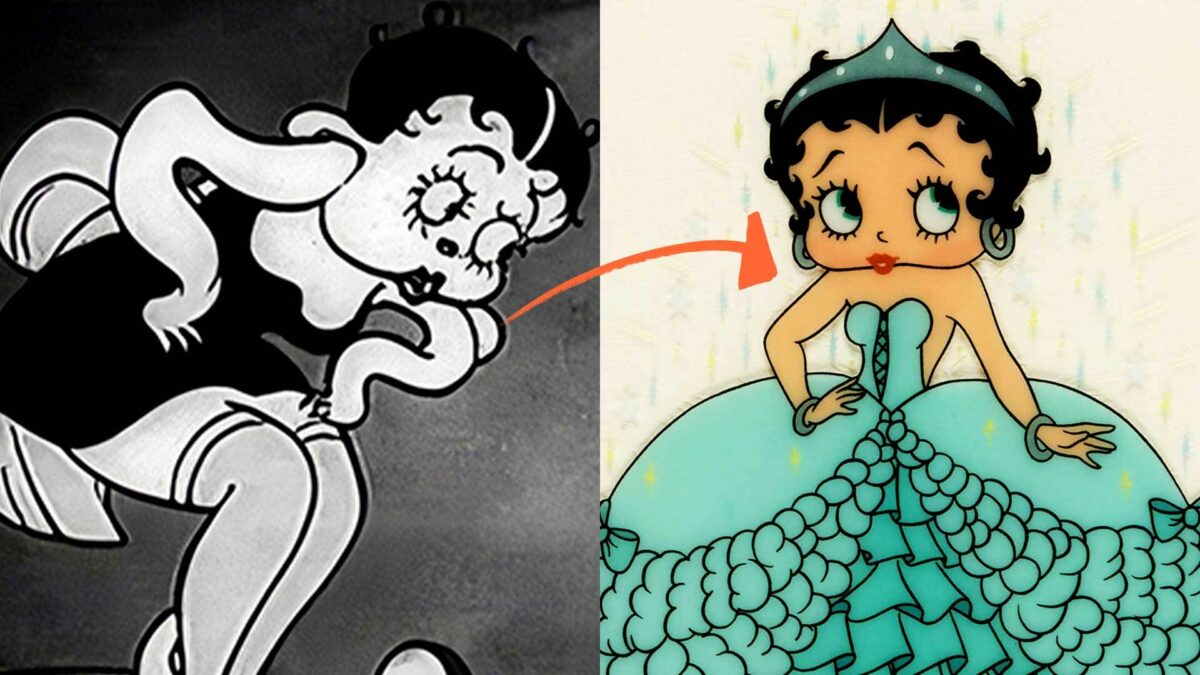
Betty Boop Enters Public Domain, But With a Twist
The iconic cartoon character Betty Boop, a symbol of the 1920s flapper era, is entering the public domain. The 1930 cartoon *Dizzy Dishes*, which featured the character's debut, is now free for public use. However, the situation is more complex than it seems.
Due to copyright laws, the version of Betty Boop featured in *Dizzy Dishes* was a "dog-like" character. Fleischer Studios, the animation company behind Betty Boop, maintains that the fully developed human version of the character, which evolved over time, is still under copyright. They argue that *Dizzy Dishes* presented a "precursor" to the Betty Boop known today.
This situation highlights the intricacies of modern copyright law. Under the 1998 Sonny Bono Copyright Term Extension Act, works published between 1924 and 1978 are protected for 95 years. This means that while the original *Dizzy Dishes* cartoon is now in the public domain, Fleischer Studios likely retains rights to later iterations of the character.
The debate surrounding Betty Boop mirrors similar legal battles, such as the one involving the Sherlock Holmes character. The courts have often had to differentiate between the character itself and specific traits introduced in later works.
The original intent of copyright law, as outlined in the U.S. Constitution, was to "promote the Progress of Science and useful Arts." The first copyright law in 1790 allowed for protection up to 28 years. The length of copyright terms has been extended numerous times since. The current system, with protections lasting nearly a century, raises questions about whether such lengthy terms truly foster innovation. The public domain, on the other hand, allows for creative adaptations and interpretations, as seen with recent adaptations of classic works like *Frankenstein* and *The Wizard of Oz*.
BNN's Perspective: While it's understandable that creators want to protect their intellectual property, the current copyright system seems to favor corporations over the public good. Striking a balance between protecting creators' rights and allowing for the free flow of ideas is crucial for fostering creativity and cultural progress. The Betty Boop case underscores the need for a reevaluation of copyright terms to ensure they align with their original purpose.
Keywords: Betty Boop, public domain, copyright, Fleischer Studios, Dizzy Dishes, Sonny Bono Copyright Term Extension Act, animation, cartoon, Sherlock Holmes, intellectual property, innovation, creative works, adaptation, legal battle, U.S. Constitution.