Auto loans: Trouble in the subprime economy
3 minute readPublished: Thursday, October 9, 2025 at 6:25 pm
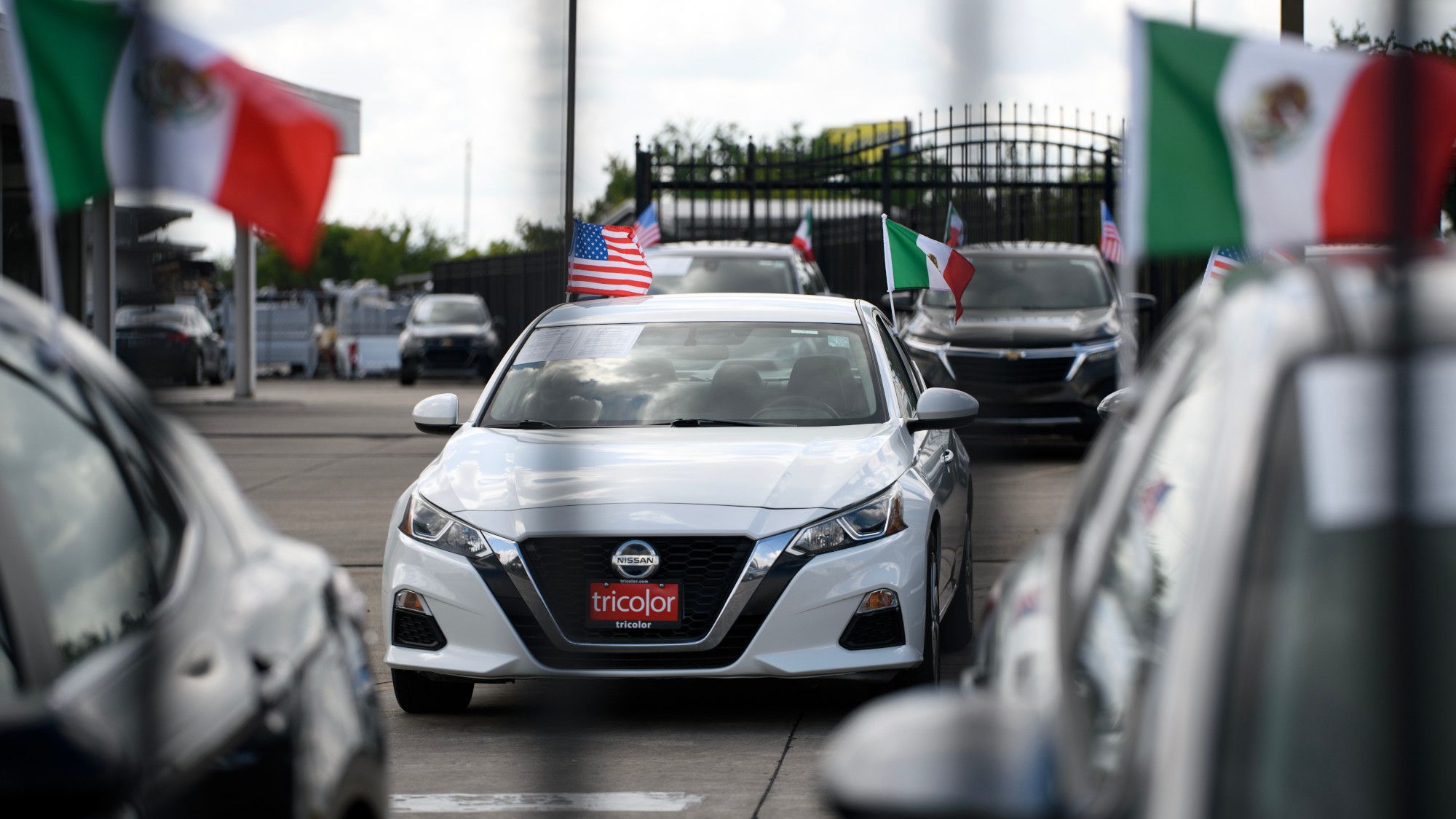
Auto Loan Delinquencies Signal Economic Strain for Lower-Income Americans
A recent collapse of an auto lender in Texas is raising concerns about the financial stability of lower-income Americans, particularly those with subprime credit. Tricolor Holdings, a firm specializing in auto loans for subprime borrowers, has ceased operations, with its offices seemingly abandoned in haste. The company is also under investigation for potential irregularities in its lending practices.
While the circumstances surrounding Tricolor's demise are unique, the situation highlights broader economic challenges. The percentage of delinquent auto loans has risen to 9.3% in August, indicating that more borrowers are struggling to meet their payments. Economists note that auto payments are a high priority for many Americans, as a car is often essential for employment.
Several factors contribute to this trend. During the pandemic, many young people took out auto loans, and now face the added burden of student loan repayments. Lenders have also extended loan durations to six or seven years to make monthly payments more affordable, which can leave borrowers owing more than their vehicle's value.
The situation is not a direct parallel to the 2008 subprime mortgage crisis, as the auto loan market is smaller. However, there are some concerning similarities, including the rise in riskier lending practices. A record share of new car payments now exceed $1,000 per month.
The economic landscape reveals a growing disparity. While the overall economy appears robust, a significant portion of consumer spending is concentrated among the top 10% of earners. This raises questions about the economic viability of serving and supporting the financial needs of a large segment of the population.
BNN's Perspective:
The situation warrants careful monitoring. While the auto loan market is not as large as the housing market, the rising delinquency rates and the concentration of spending among the wealthiest Americans are concerning. Policymakers and businesses should consider the potential consequences of neglecting the financial well-being of a significant portion of the population.
Keywords: auto loans, subprime borrowers, delinquency, economic strain, Tricolor Holdings, undocumented immigrants, loan defaults, consumer spending, economic disparity, financial stability