Analysts warn the iPhone 18 price hike could be worse than we thought
3 minute readPublished: Saturday, June 27, 2026 at 5:03 am
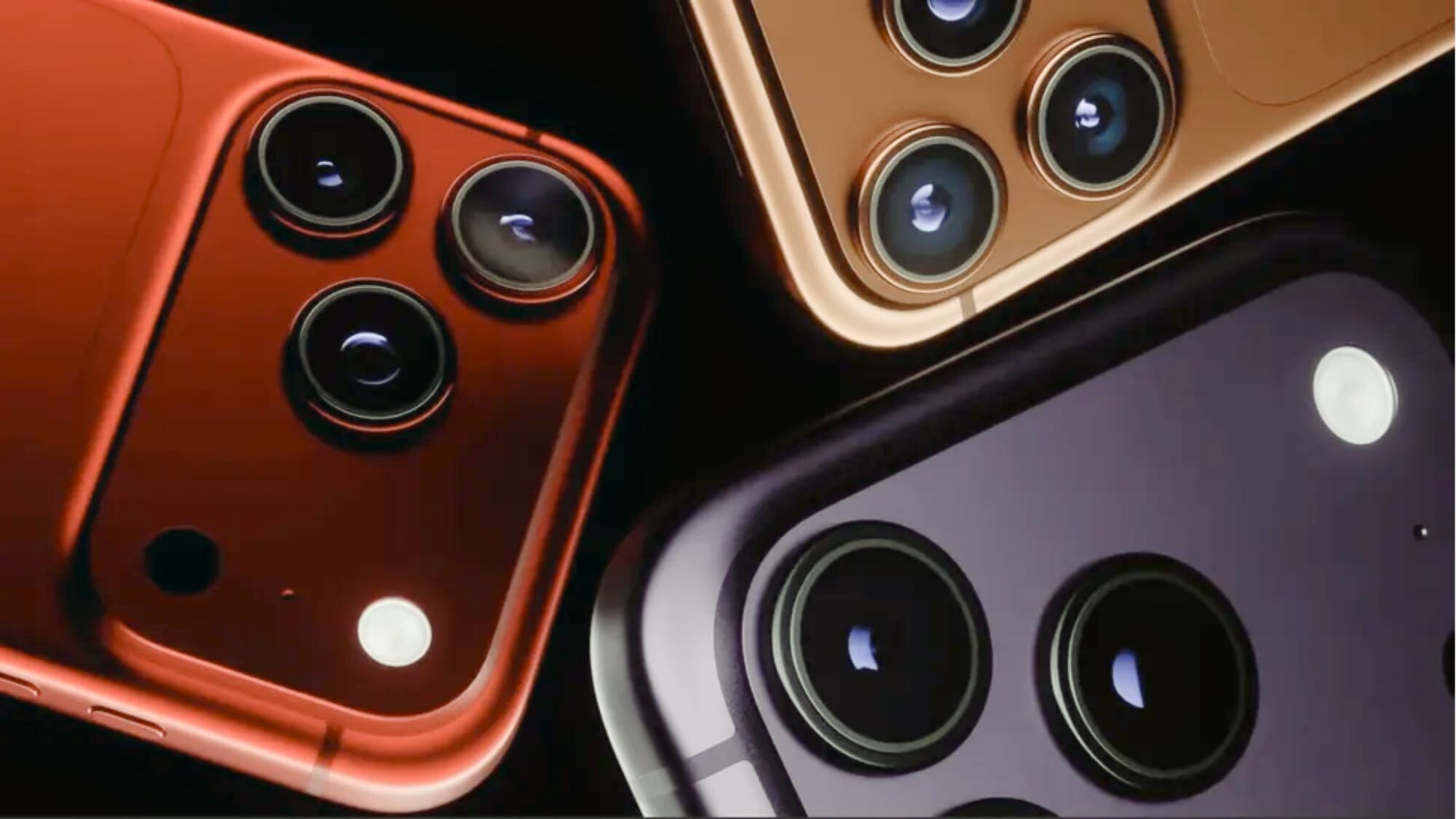
Apple has recently implemented significant price increases across a broad spectrum of its products, a move foreshadowed by CEO Tim Cook. The company attributes these hikes to unprecedented surges in the cost of memory and storage components, driven by the rapid expansion of AI data centers. Apple stated that the demand for these components has led to cost increases of a magnitude and speed never before witnessed, necessitating price adjustments on numerous products.
The price hikes have affected MacBooks, desktop Macs, iPads, the Vision Pro, and even less memory-intensive devices like the Apple TV 4K and HomePod. Notably, iPhones, AirPods, and the Apple Watch have been spared from this initial wave of increases. Analysts suggest that Apple's decision to protect iPhone pricing is strategic, given the device's substantial contribution to the company's revenue, accounting for approximately half of its business. Maintaining iPhone sales volume is a priority, and increasing prices is seen as counterproductive to attracting consumers.
However, it is widely anticipated that iPhones will not remain immune to price adjustments for long. Analysts believe Apple is currently assessing how much it can increase iPhone prices for future models, potentially the iPhone 18 lineup. The company's inability to absorb rising component costs, even for its other products, indicates that iPhones are equally susceptible. Some analysts had previously predicted modest price increases for the iPhone 18, but recent price hikes on iPads and MacBooks have led to speculation that increases could be as high as $200 for Pro Max models, with the era of smaller $50 increases potentially over.
Despite the prospect of higher prices, the impact on iPhone sales may be less significant than for other products. iPhone users are characterized by strong brand loyalty, often hesitant to switch ecosystems due to the complexity of migrating data and app history. Furthermore, iPhones are perceived as premium and luxurious items, making their customer base less price-sensitive. Many consumers also purchase iPhones through installment plans and offset costs by trading in older devices. While increased prices could lead to less frequent upgrades, potentially impacting long-term sales, the sheer popularity of iPhones, as evidenced by the success of the iPhone 17, suggests that sales would need to decline considerably before becoming a major concern. The upcoming release of a high-priced foldable iPhone is also expected to provide Apple with pricing flexibility.
BNN's Perspective:
The current economic climate, marked by rising component costs, presents a challenge for technology companies. Apple's decision to pass some of these costs onto consumers, while understandable from a business perspective, raises questions about affordability and market accessibility. The company's strong brand loyalty and premium positioning may buffer the immediate impact of price increases on iPhone sales. However, sustained price hikes could eventually influence consumer behavior and potentially open doors for competitors. A balanced approach that considers both profitability and consumer value will be crucial for Apple's continued success.
Tags: Apple, iPhone 18, price hike, component costs, memory, storage, AI data centers, Tim Cook, MacBooks, iPads, Vision Pro, Apple TV 4K, HomePod, AirPods, Apple Watch, iPhone sales, brand loyalty, installment plans, foldable phone, RAMageddon