Amazon is ready to deploy the Leo satellite broadband service
3 minute readPublished: Thursday, July 2, 2026 at 11:18 am
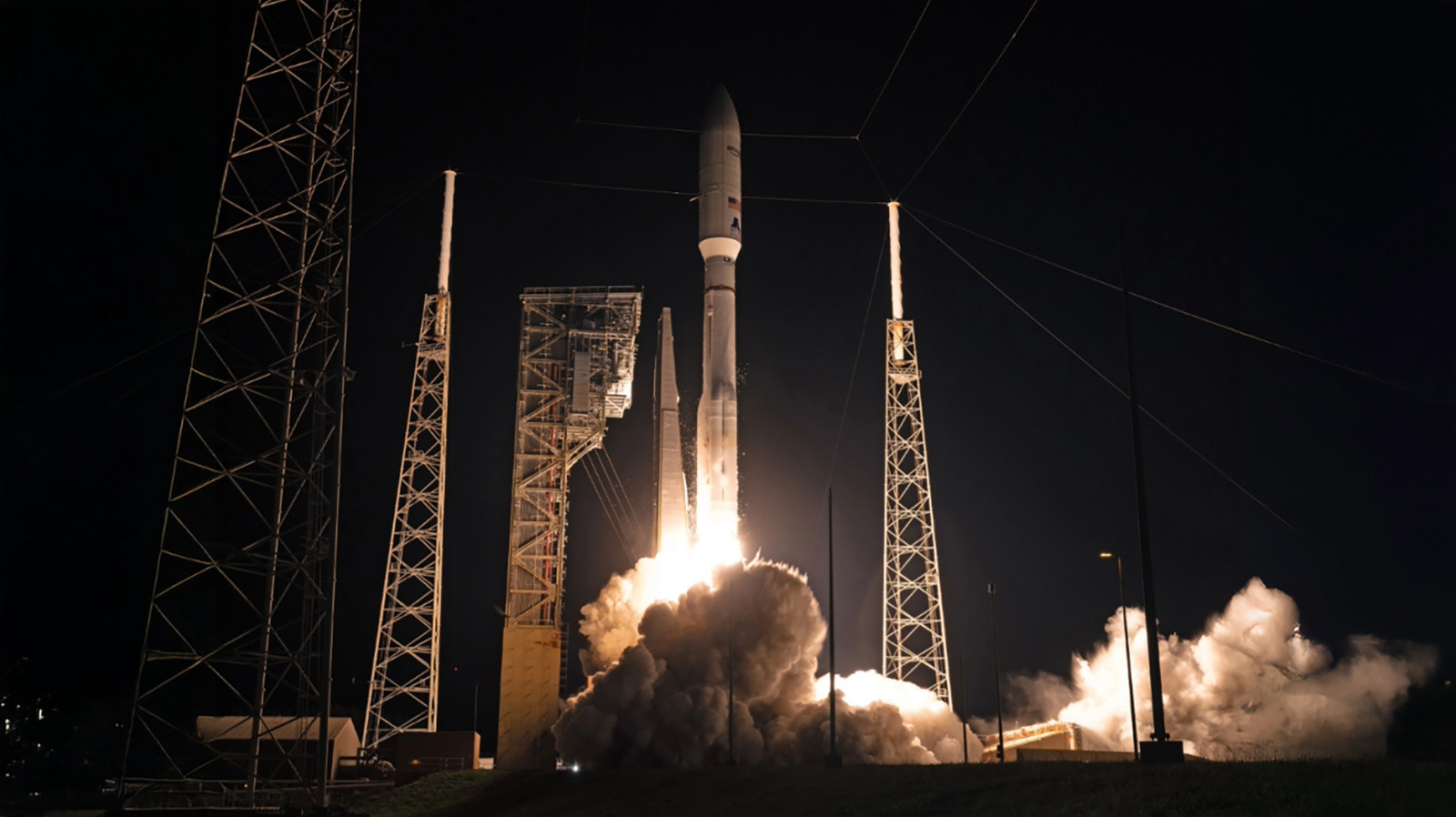
Amazon's ambitious satellite broadband service, Project Kuiper, has taken a significant step forward with the successful deployment of 29 new satellites. Launched aboard a United Launch Alliance Atlas V rocket in the early hours of July 2, these satellites have been confirmed by Amazon to be in working condition and have established contact in orbit. The next crucial phase involves raising these satellites to their operational altitude of 392 miles, after which the service will be ready to offer broadband access to customers.
This latest launch, originating from Florida, brings the total number of deployed Kuiper satellites to over 390. According to Amazon Kuiper Vice President Chris Weber, this number is now sufficient to support continuous service across initial service areas. Notably, this was the final mission for the Atlas V rocket in the Kuiper project. Future launches will utilize ULA's more powerful Vulcan vehicle, capable of carrying over 40 satellites per launch and operating with greater frequency, which will accelerate the expansion of Kuiper's coverage and capacity.
Amazon is also planning to leverage Blue Origin's New Glenn rocket, designed to carry more than 48 satellites at a time. Despite a recent setback with a launchpad test, Blue Origin is reportedly working diligently to have the New Glenn operational by the end of the year. Amazon Kuiper Director of Launch Systems, Melissa Wuerl, expressed confidence in the company's ability to increase launch and deployment rates with hundreds of satellites ready and a new vertical integration facility in place, paving the way for an initial service rollout later this year.
However, Kuiper faces a considerable challenge in catching up to its competitor, SpaceX's Starlink, which already has over 10,000 satellites in orbit providing broadband services. The successful deployment of these new satellites marks a critical milestone for Amazon's entry into the satellite internet market, but the path to widespread coverage and competitive parity remains a significant undertaking.
BNN's Perspective:
The successful deployment of these 29 satellites is a tangible sign of progress for Amazon's Project Kuiper. Reaching over 390 operational satellites is a key threshold, enabling initial service deployment. The shift to more capable launch vehicles like Vulcan and New Glenn signals a strategic acceleration of Amazon's ambitions. While the scale of the challenge in competing with established players like Starlink is undeniable, this latest launch demonstrates a commitment to overcoming logistical hurdles and expanding network capacity. The coming months will be critical in observing the pace of deployment and the effectiveness of Kuiper's service rollout.
Tags: Amazon Leo, satellite broadband, United Launch Alliance, ULA, Atlas V rocket, Leo satellites, orbital altitude, continuous service, Chris Weber, Melissa Wuerl, Project Kuiper, Vulcan vehicle, Blue Origin, New Glenn, SpaceX, Starlink, satellite internet, launch deployment, network coverage